Demand for drainage is on the rise around the world—and it's not hard to see why. Urban construction is picking up, older buildings are getting renovated, and water-management rules are getting stricter. Fortune Business Insights reports that the global plumbing fixtures market will keep growing through 2032, while Grand View Research points to commercial construction and replacement projects as some of the main demand drivers. And honestly, these trends mean Horizontal Floor Drain systems end up playing a pretty practical role in bathrooms, kitchens, hospitals, hotels, and even industrial facilities.
Still, picking the right product isn't just about outlet size or how it looks on the surface. You've really got to dig into flow capacity, grate loading, corrosion resistance, whether it works with your trap, how easy it is to clean, and installation depth. EN 1253 and ASME A112.6.3 are handy reference points for drainage performance and safety. And ISO 9001 certification? That can suggest the manufacturing process is under control, but it doesn't automatically mean the product is good. At the end of the day, real projects still need testing.
So this guide takes a look at ten well-known manufacturers—Zurn Elkay, Watts Water Technologies, McWane, Josam, MIFAB, Jay R. Smith, KESSEL, ACO, Aliaxis, and Hargreaves Foundry. Their product lines? They vary a lot. Some lean toward stainless steel systems, while others are built more for heavy-duty commercial or industrial jobs. And honestly, no ranking is ever going to be perfect. The published specs can be patchy too, especially when it comes to flow rates and how coatings hold up over the long haul. So, if you're buying from overseas, it's worth checking a few things before you place an order: technical drawings, certifications, warranty terms, how much production experience they've got, and what kind of support the distributor offers. I mean, a shiny grate can definitely catch your eye, but the real question—whether it'll drain reliably—usually gets settled under the floor.
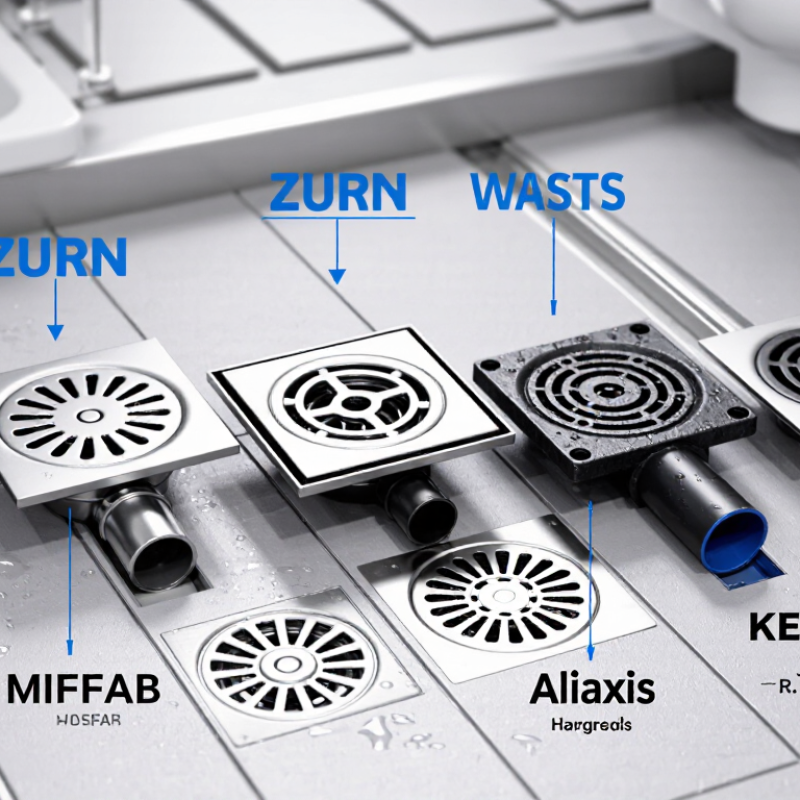
A Horizontal Floor Drain manufacturer is more than a factory with stainless-steel presses. It must understand water movement, slope limits, odor control, and installation errors. In real projects, a drain may sit beneath tile, screed, or a wet-room membrane. Small design mistakes can cause standing water within weeks.
The WHO/UNICEF Joint Monitoring Programme reported in 2023 that 3.5 billion people lacked safely managed sanitation in 2022. This figure highlights why drainage components require dependable engineering, not attractive packaging. A capable manufacturer validates flow capacity, seal performance, load resistance, and corrosion behavior through documented testing. It should also explain test conditions clearly. Vague claims are a warning.
Material traceability matters. So does production consistency. ISO 9001-based quality systems, incoming inspection, batch records, and dimensional checks help reduce variation between shipments. For global buyers, an OEM Horizontal Floor Drain partner should provide drawings, samples, packaging details, and responsive technical support. It must adapt outlet positions, grate patterns, finishes, and connection dimensions without weakening performance.
Field experience still exposes uncomfortable gaps. Some suppliers test new samples carefully, then overlook routine production. Others offer many finishes but limited drainage data. Buyers should inspect factory processes, request independent reports, and compare warranty terms with actual installation conditions. A reliable manufacturer welcomes these questions, even when its documentation is imperfect.
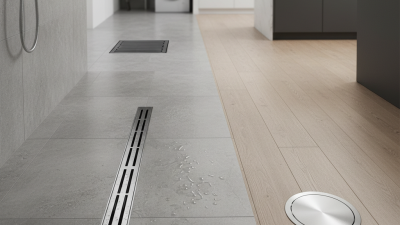
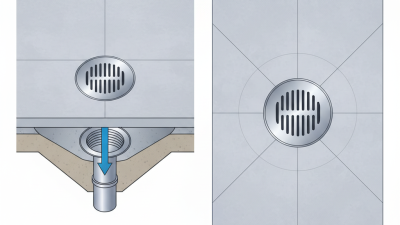
When comparing the top 10 horizontal floor drain manufacturers, study product types before factory scale. Horizontal outlet drains suit bathrooms, balconies, utility rooms, and commercial wash areas. Linear Drains provide a long collection channel along one wall. Tile-insert models hide beneath matching floor tiles. Point drains remain practical for compact spaces.
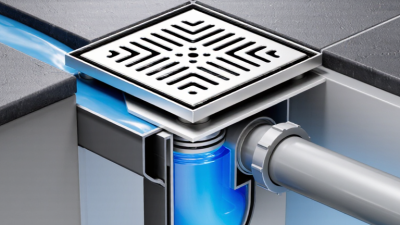
Small details matter. A removable grate helps clear hair, dust, and mortar safely. Adjustable legs can correct uneven floor levels during installation. Check outlet diameter, trap depth, and tested flow capacity. These details affect drainage performance more than polished packaging.
Material selection also deserves careful review. Stainless steel 304 fits many indoor projects, while 316 offers stronger resistance in coastal or chemical-exposed environments. Look for a sloped channel, a stable waterproofing flange, and a replaceable odor seal. A reliable manufacturer should provide drawings, load ratings, surface-finish data, and inspection records. Ask whether flow tests represent real installation conditions. Laboratory figures can mislead when the floor slope is poor.
I have seen attractive drains fail because the membrane connection was rushed. That point is easy to miss. Buyers should also confirm grate tolerances, packaging protection, spare-part access, and compatibility with local plumbing standards. No design is perfect. Site conditions still decide the final result.
Global buyers assessing the top 10 horizontal floor drain manufacturers should examine materials before comparing prices. Stainless steel 304 suits most indoor projects, while 316 performs better near coastal air or chemical exposure. Brass offers strength and a traditional finish. ABS can reduce weight, but its heat resistance needs careful review.
Manufacturing capability matters on the job site. Reliable producers should control stamping, CNC machining, laser cutting, welding, polishing, and passivation. A capable factory can also develop a Custom Horizontal Floor Drain for unusual tile thickness, outlet positions, or restricted floor depths. Check whether production includes water-flow testing, leak inspection, load testing, and dimensional checks. Small errors can disturb the waterproofing membrane.
Standards provide useful evidence, not automatic perfection. Buyers should request test records related to EN 1253 or ASME A112.6.3, when applicable to the project. ISO 9001 certification may indicate a controlled quality system, but it does not replace product inspection. Ask about grate load ratings, trap performance, surface treatment, and resistance to cleaning chemicals. Packaging also deserves attention; scratched surfaces and bent outlets often appear after long-distance transport. Specifications can still fail in real installations. A practical supplier should provide drawings, installation guidance, samples, and responsive technical communication.
Choosing among the top 10 horizontal floor drain manufacturers requires more than comparing catalog prices. Global buyers should verify drainage performance, material traceability, and project experience. A practical evaluation begins with the applicable standard, such as EN 1253, and confirms flow capacity under realistic installation conditions.
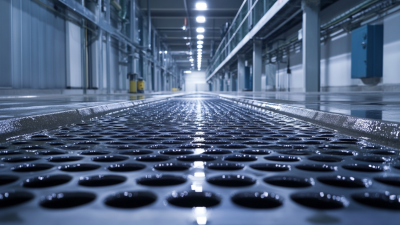
Ask for laboratory reports, dimensional drawings, corrosion-test results, and batch inspection records. Stainless steel grades should be identified clearly, not described as “premium steel.” For coastal or chemical environments, verify whether 304 or 316 stainless steel is appropriate. Load ratings also matter. A drain installed in a hotel lobby faces different demands from one used in a service corridor.
Look closely at quality systems. The ISO Survey 2022 reported more than 1.2 million ISO 9001 certificates worldwide, but certification alone does not prove consistent production. Request recent audit evidence, corrective-action records, and sample-based inspection data. Visit the factory when possible. Metal thickness can be checked with a caliper, while welds deserve close visual inspection.
Supply reliability needs equal attention. The World Bank’s Logistics Performance Index 2023 showed wide differences in customs and shipment performance between markets. Manufacturers should provide realistic lead times, packaging specifications, spare-part policies, and export documentation. Ask how they handled a delayed project. The answer may reveal more than a polished presentation. Cheap quotations can hide weak testing, unclear tolerances, or costly replacements. Even experienced buyers sometimes overlook installation training and after-sales response times. That oversight is worth reconsidering.
Top 10 Horizontal Floor Drain Manufacturers for Global Buyers
Market strength matters more than attractive product photos. The leading ten manufacturers usually combine regional production, stable certification, and dependable project delivery. Grand View Research valued the global plumbing fixtures market at approximately USD 116.6 billion in 2022. It also forecast a 5.4% annual growth rate from 2023 to 2030. Horizontal floor drains benefit from this wider construction and renovation demand.
Not every strong manufacturer has the largest factory. Some perform better through stainless steel forming, precise slope control, and flexible outlet sizes. Others win through distributor coverage and consistent after-sales support. For buyers seeking Wholesale Horizontal Floor Drain products, measurable indicators include export continuity, production capacity, drainage-flow testing, and compliance documentation. The top ten should also show practical experience in hotels, hospitals, factories, and residential towers. A drain that looks polished can still fail when the seal weakens under repeated cleaning.
According to Fortune Business Insights, the global bathroom fixtures market continues expanding with renovation and urban housing activity. This supports demand for corrosion-resistant drainage products. However, market rankings remain imperfect. Public revenue figures often combine drains with broader sanitaryware categories. That makes direct comparisons difficult. Buyers should inspect sample welds, grate thickness, packaging protection, and replacement-part availability. Small details matter. A 2-millimeter alignment error can create standing water beside a tiled wall. Seeking third-party test records is also wiser than trusting a sales brochure alone.
For global buyers, a Top 10 list should assess service depth, not only drainage design. A reliable Horizontal Floor Drain Manufacturer should provide commercial invoices, packing lists, HS-code guidance, and shipment tracking. The World Bank’s 2023 Logistics Performance Index evaluates customs, infrastructure, tracking, and delivery timeliness. These factors directly affect project schedules. Ask whether the supplier can consolidate cartons, protect stainless-steel surfaces, and manage replacement parts after delivery.
Certifications deserve careful checking. ISO’s 2022 Survey recorded more than 1.2 million ISO 9001 certificates worldwide, showing how widely quality systems are used. However, a certificate alone does not prove consistent factory performance. Request the certificate number, issuing body, validity dates, and product test reports. For floor drains, confirm material grade, load performance, drainage capacity, corrosion resistance, and odor-seal testing. Export documents should match the actual model and destination requirements. Small mismatches can delay customs clearance.
Tips: Ask for a sample export file before ordering. Confirm response times, warranty limits, spare-part availability, and complaint procedures in writing. Video inspections can reveal packaging habits and production details. Still, remote checks have limits. I would request independent testing for large projects, even when documents appear complete. Buyer support should include installation drawings, multilingual instructions, and a named service contact. That practical support often separates a dependable supplier from a low-price seller.
| Rank | Anonymous Supplier Profile | Typical Horizontal Drain Configuration | Common Materials | Typical Outlet Sizes | Relevant Standards and Evidence | Export Services | Buyer Support |
|---|---|---|---|---|---|---|---|
| 1 | Profile 01 Large-volume commercial supplier | Horizontal outlet, removable grate, adjustable clamping flange, odor-control trap option | AISI 304 stainless steel; AISI 316 available for corrosive environments | 50, 75, 100 and 110 mm | EN 1253 design reference; ISO 9001 certificate and material test reports should be requested | Commercial invoice, packing list, certificate of origin, HS-code support and palletized export packing | CAD drawings, drain-flow data, installation guidance and pre-shipment inspection coordination |
| 2 | Profile 02 Architectural stainless-steel specialist | Low-profile horizontal body, tile-insert or slotted grate, waterproofing membrane flange | AISI 304 stainless steel with brushed, polished or black-coated finishes | 40, 50 and 75 mm | EN 1253 compatibility review; surface-finish samples and stainless-steel grade documentation | Small-batch export packing, barcode labeling, mixed-SKU cartons and consolidated shipment support | Finish samples, shop drawings, custom grate dimensions and technical response within standard business hours |
| 3 | Profile 03 Heavy-duty industrial supplier | Horizontal outlet with load-bearing grate, sediment basket and reinforced body | Ductile iron, cast iron or 316 stainless steel, depending on service conditions | 75, 100 and 150 mm | Load-class test documentation should identify the tested grate class and test method; ISO 9001 evidence may be available | Export crating, moisture protection, freight-forwarder coordination and container loading plans | Load-selection guidance, corrosion recommendations, spare-part lists and inspection checklists |
| 4 | Profile 04 Residential and hospitality supplier | Compact horizontal drain, anti-hair grate, removable trap insert and tile-friendly frame | AISI 304 stainless steel, ABS or polypropylene internal components | 40 and 50 mm | Product drawings, leakage-test records and applicable plumbing-performance documentation | Retail-ready packaging, instruction sheets, carton customization and sample-order processing | Installation videos, replacement grate support, multilingual manuals and warranty procedure guidance |
| 5 | Profile 05 Custom OEM and private-label producer | Horizontal body with configurable grate pattern, outlet position and flange geometry | 304/316 stainless steel, brass accessories and polymer sealing components | 40–150 mm, subject to tooling and project specification | Dimensional inspection reports, approved drawings, material declarations and batch traceability | OEM artwork, neutral packaging, tooling coordination, export documentation and sample approval workflow | Design-for-manufacture feedback, prototype review, first-article inspection and corrective-action support |
| 6 | Profile 06 Waterproofing-system supplier | Horizontal drain with bonded membrane flange, height adjustment and secondary drainage path | Stainless steel body with elastomeric seals and polymer waterproofing accessories | 50 and 75 mm | Waterproofing compatibility data, seal-material information, installation details and leakage-test records | Project submittals, technical datasheets, consolidated accessory packing and site-delivery coordination | Membrane-installation guidance, detail drawings, installer training materials and troubleshooting support |
| 7 | Profile 07 Value-focused export supplier | Standard horizontal outlet, stamped grate, basic strainer and adjustable leveling feet | AISI 304 stainless steel or plated steel with polymer trap components | 50, 75 and 110 mm | Batch inspection records, material declarations and packaging-drop test records should be verified | Container-load optimization, standard export cartons, basic customs documents and shipment tracking | Sample availability, spare-component quotation, installation sheet and order-status updates |
| 8 | Profile 08 Corrosion-resistant marine and coastal supplier | Horizontal drain with welded joints, deep water seal and removable marine-grade grate | AISI 316 or 316L stainless steel; corrosion-resistant elastomers | 50, 75 and 100 mm | 316/316L material certificates, weld-quality records, salt-spray data where applicable and dimensional reports | Export-grade corrosion protection, seaworthy packing, documentation packs and project scheduling | Material-selection advice, cleaning instructions, replacement-part identification and technical submittals |
| 9 | Profile 09 Fast-delivery project supplier | Modular horizontal drain with commonly stocked grates, outlets and sealing kits | 304 stainless steel, ABS and EPDM sealing elements | 50, 75 and 100 mm | Stock inspection records, product datasheets, leakage-test evidence and traceable batch labeling | Ready-stock confirmation, partial shipments, air-freight coordination and urgent document preparation | Rapid quotation, stock updates, substitute-part recommendations and remote installation assistance |
| 10 | Profile 10 Sustainable-material and specification supplier | Horizontal drain using recyclable metal components, removable strainer and water-saving trap design | Recyclable stainless steel, recycled-content polymer options and EPDM seals | 50, 75 and 110 mm | Environmental product declarations where available, recycled-content declarations, ISO 9001 evidence and material traceability | Digital documentation, paper-reduced order processing, export packing declarations and consolidated shipments | Specification assistance, BIM/CAD files, maintenance schedules and lifecycle documentation |
Note: The entries above are anonymized supplier profiles based on commonly available horizontal floor-drain configurations and international buyer requirements. Certification and test evidence should be verified directly before purchase.
It should understand water flow, floor slopes, odor control, and installation mistakes. A strong supplier tests drainage capacity, seal performance, load resistance, and corrosion behavior. Packaging alone proves very little.
A drain may sit beneath tile, screed, or a waterproof membrane. Small design errors can leave standing water within weeks. Test reports should show conditions, measurements, and product details.
Ask for material traceability, incoming inspection records, and batch documentation. Dimensional checks can reduce variation between shipments. Quality systems help, but they do not replace production audits.
Many manufacturers can adjust outlet positions, grate patterns, finishes, and connection sizes. Request drawings and samples before approving production. Customization must not reduce flow or sealing performance.
Documents should state material grade, drainage capacity, load performance, corrosion resistance, and odor-seal results. Test conditions should be clear. Vague claims are a warning.
No, not alone. Check the certificate number, issuing body, validity dates, and related factory records. A certificate may describe a system, not every shipment.
The supplier should provide commercial invoices, packing lists, shipment tracking, and customs classification guidance. Documents must match the actual model and destination. Small mismatches can delay clearance.
Request samples, independent testing, video inspections, and routine production records. Check how stainless-steel surfaces are protected inside cartons. Remote checks have limits.
Look for installation drawings, multilingual instructions, spare parts, warranty limits, and a named service contact. Confirm complaint procedures and response times in writing. Support is often less impressive after delivery.
Be cautious when a supplier shows many finishes but little drainage data. Carefully tested samples may not represent routine production. No supplier is flawless, including a well-documented one.
This guide introduces the key factors global buyers should consider when selecting a reliable Horizontal Floor Drain manufacturer. It explains how manufacturers differ in product design, production expertise, quality control, and project support, while covering common drain types, outlet configurations, surface finishes, odor-control features, and installation requirements. The article also examines suitable materials, relevant performance standards, manufacturing capabilities, and customization options for residential, commercial, industrial, and infrastructure projects.
To support informed purchasing decisions, the guide outlines a practical evaluation process based on product consistency, factory capacity, testing procedures, certifications, export experience, packaging, lead times, and communication. It also compares leading manufacturers by market strength without focusing solely on product price, helping buyers assess long-term value and supply reliability. Finally, it highlights the importance of technical documentation, compliance support, after-sales service, and flexible logistics when sourcing a Horizontal Floor Drain for international projects.