So, you're thinking about getting an Anti Insect Floor Trap in 2026? It really comes down to one basic question: what bug are you actually trying to catch—or keep an eye on? Here's the thing: a trap that's great for roaches or other crawlers might be pretty useless when it comes to flying pests. And don't underestimate placement. Put it next to a wall, near a drain, or by an entry point, and you'll see way more activity than if you tuck it under a shelf where it just gets forgotten.
You know, Dr. Michael F. Potter — he's an entomologist over at the University of Kentucky — has written a ton about practical pest management. One thing he said really sticks with me, and I'm paraphrasing here: before you choose a control, you need to figure out what pest you're dealing with and how it moves around. That distinction matters more than you'd think. Because honestly, just reading the product label won't tell you whether its size, sticky surface, or how often it needs to be serviced actually fits your specific situation.
So this guide basically walks you through everything—trap design, where to put them, how long they hold up, how much cleaning they need, and keeping track of it all. When you’re choosing, go for instructions that are actually clear, parts that can be replaced, and materials that suit the floor’s real conditions. Because, honestly, a damp kitchen corner is nothing like a dry storeroom. It’s the little details that end up making the biggest difference.
Honestly, there’s no such thing as the one perfect trap. You can pick a really good one and it’ll still let you down if nobody notices it during routine checks—and yeah, that happens more than you’d think. So the goal here isn’t some magic fix; it’s about making a solid, evidence-informed choice and being realistic about what that can do. Along the way, we’ll look at the usual buying blunders and the kinds of questions you should actually ask suppliers before you commit.
An anti-insect floor trap works by interrupting the route insects may use to enter through a drain. Many designs rely on a water seal, a closing flap, or a fine barrier beneath the grate. The grate lets water pass, while the internal parts restrict insect movement. The exact mechanism matters. A dry or poorly seated seal may leave a gap, even when the top looks secure.
Water-seal models need enough water in the trap to maintain the barrier. If a Floor Drain is rarely used, that water can evaporate, weakening its protection. Mechanical flap designs can help where water seals are unreliable, but hair, soap residue, and grit may stop a flap from closing fully. Small details matter. Check how the mechanism opens for cleaning, and whether the grate sits level with the floor.
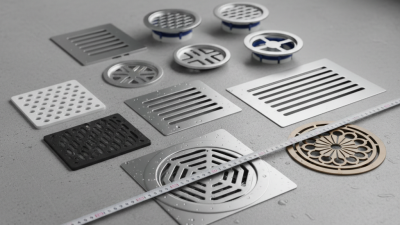
When choosing an OEM Anti Insect Floor Trap, consider the drain opening, expected water flow, and cleaning access. A mesh insert can catch debris, but a very fine mesh may slow drainage. Look for a firm fit and materials suited to a damp bathroom or utility room. One point deserves a second look: no trap can compensate for a damaged pipe connection or neglected cleaning. Inspect it after installation, then watch how quickly water drains during ordinary use.
Before choosing a floor trap, identify what is actually moving through the space. Small moths near pantry shelves may point to stored-food pests, while drain flies often gather near damp sinks. Ants tend to follow edges and visible trails. Look closely. A phone photo or simple monitoring card can help you compare insects over several days; guessing from one sighting is easy, and I have guessed wrong before.
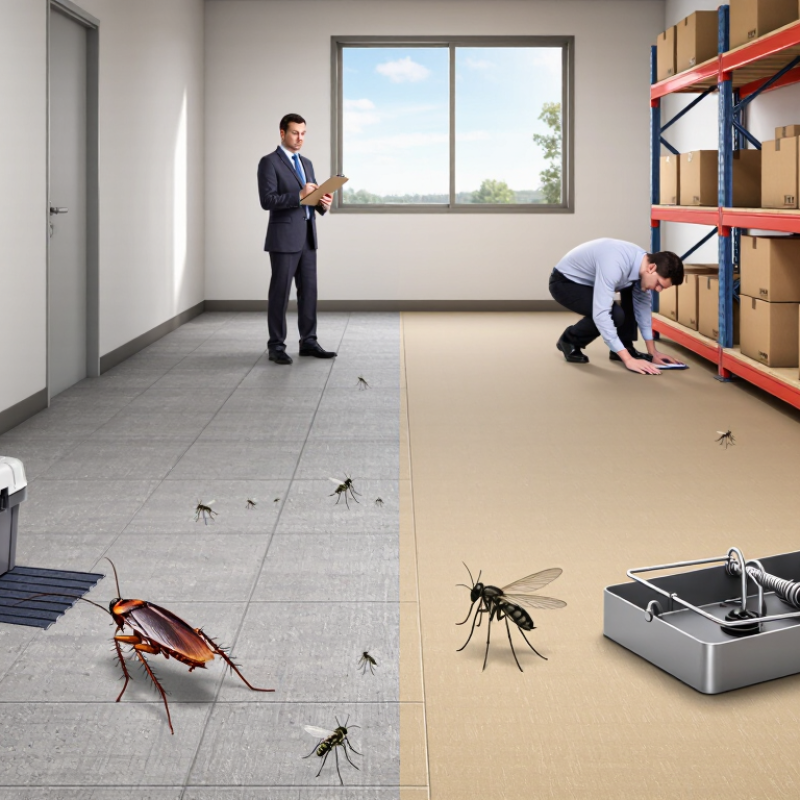
Next, map the areas that need protection. Check floor edges behind appliances, under shelving, beside entry doors, and near bins or water sources. Place a trap where insects travel, not in the middle of an open room. For crawling insects, a low-profile adhesive trap may reveal activity along a wall. In dusty, wet, or heavily trafficked areas, however, it can lose effectiveness or become obstructed. Check it regularly.
Match the trap’s design to the insect and the site. A trap intended for crawling pests may not suit flying insects, which often respond better to monitoring placed near their usual resting or breeding areas. Keep traps away from children, pets, food-contact surfaces, and routine cleaning paths, following the product instructions. A trap can show where activity persists, but it may not solve the source. Dampness, crumbs, or gaps may need attention too. Tidy rooms can still have pests.
Choosing an anti-insect floor trap in 2026 starts with identifying the pest and its route, not picking the largest device. Sticky boards can monitor crawling insects along walls, beneath shelving, or near doorways. Enclosed light traps may suit flying insects in appropriate indoor spaces. Neither type catches every species. Check the trap’s instructions and intended target before placing it.
Bait matters. Food-based attractants may appeal to some crawling pests, while light-based traps draw certain flying insects. Avoid placing bait near competing food sources, drains, or strong air currents unless the instructions recommend it. Placement matters. A Custom Anti Insect Floor Trap can be designed around a specific room layout, but its opening, adhesive area, or attractant still needs to match the pest. “More bait” is not automatically better.
Coverage depends on barriers and insect movement, not just floor area. A trap behind a cabinet may be nearly useless, even if it sits close to the suspected source. Start with a few locations along edges and observed activity paths, then check them on a regular schedule. Keep records. Note the date, location, and insects caught; this can reveal whether placement needs adjustment. A small trial is useful, though one quiet week may not prove the problem is gone.
When choosing an Anti Insect Floor Trap,check how it works before comparing price or appearance. A unit with a light, adhesive board, or other capture method may need different handling. Keep it away from food-preparation surfaces, children, and pets, and leave access clear for cleaning. If it uses electricity, check that the cord and housing suit the intended location. Damp floors can be a problem. Follow the product instructions, especially where ventilation or placement is specified.
Materials affect both safety and upkeep. Look for a stable base that will not slide easily, a smooth surface that can be wiped, and corrosion-resistant parts if the area is humid. Adhesive boards should fit securely and be simple to replace without touching trapped insects. For a Wholesale Anti Insect Floor Trap purchase, ask for clear material details and maintenance guidance, not just a bulk price. A low-cost unit is less useful if its parts are hard to clean or replace.
Plan maintenance before installation. Inspect the trap regularly, remove debris, and replace capture components as directed by the manufacturer. Wear disposable gloves when handling used boards, then wash your hands. Small details matter. A common oversight is placing a trap where staff cannot inspect it without moving furniture. That saves space, perhaps, but can delay cleaning; I would reconsider the location after watching how people actually use the room.
Evaluating Smart Features, Costs, and 2026 Standards
Choosing an anti insect floor trap means balancing performance with upkeep. Smart models may offer motion sensing, usage alerts, or app controls, but check what each feature actually measures. An alert is useful only if it helps you respond. Look for clear instructions, accessible collection trays, and parts that are easy to clean. Convenience is not proof.
Compare the full cost, not just the purchase price. Include replacement parts, power use, and the time needed for cleaning. Before buying, ask the supplier for current test reports, material details, and applicable safety documentation. Requirements can differ by market, so verify the rules where the trap will be installed. An Anti Insect Floor Trap Manufacturer should be able to explain its testing and maintenance guidance without vague promises. I would still question features that sound impressive but offer no practical explanation.
Tips: Check the trap’s dimensions against your floor drain, and confirm how often it needs inspection. Test alerts in the actual installation area; walls and busy networks can affect connectivity. Keep a simple maintenance log. It may feel fussy, but missed cleaning can undermine a good device.
Choose a floor trap for the insect and opening you actually have. A drain insert that blocks crawling pests needs a secure fit, corrosion-resistant material, and an easy-to-remove cover for cleaning. For drain flies, a cover alone may disappoint: larvae can develop in organic film inside the pipe. Clean the drain and remove that buildup, too. Small details matter.
Position traps at likely routes, not randomly across the room. Place them flush with the floor near drains, wall edges, or damp service areas, while keeping them clear of doors and routine foot traffic.
The U.S. National Pest Management Association’s 2022 Bugs Without Borders survey reported that 95% of pest professionals had treated for cockroaches in the previous year. That supports monitoring likely harborage areas, but it does not mean one trap will solve an infestation.
Check traps weekly and note where insects appear; the pattern can guide better placement. A neglected trap can mislead. Reflect on what it is showing, and whether moisture, residue, or a poor fit is drawing pests back.
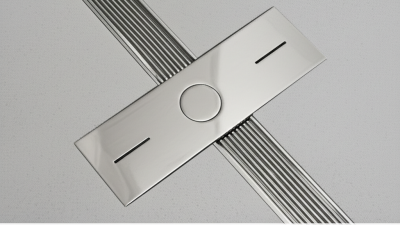
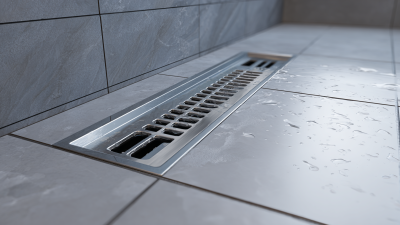
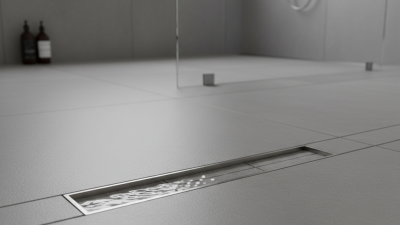
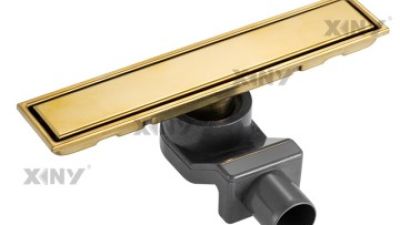
A cleaner, more modern shower begins with details that combine practical performance and a streamlined look. The XY9082-6 Linear Drain features a 6 cm profile designed to sit neatly within the shower floor, creating a simple, contemporary finish. Its elongated shape can complement a range of bathroom styles while helping water flow toward the drain and keeping the shower area looking uncluttered.
Made from 304 stainless steel, the drain offers a durable, corrosion-resistant material suited to everyday bathroom use. The clean surface is easy to wipe down, making routine care straightforward and helping maintain a fresh appearance over time. With its understated design and compact 6 cm width, the XY9082-6 provides a functional finishing touch for a modern shower renovation or a new bathroom installation.
Check its capture method, placement instructions, and cleaning needs. Light-based and adhesive traps may need different care.
Place it flush with the floor near drains, wall edges, or damp service areas. Keep it clear of doors and regular foot traffic.
Keep it away from food-preparation surfaces, children, and pets. For electric units, check that the cord and housing suit the location.
A stable, smooth base is easier to wipe and less likely to slide. Corrosion-resistant parts can help in humid areas.
Check it weekly, remove debris, and replace capture components as instructed. A neglected trap can mislead.
Wear disposable gloves when removing it, then wash your hands. Choose boards that fit securely and are easy to replace.
Not necessarily. Larvae may develop in organic film inside the pipe, so clean the drain and remove buildup.
Note where insects appear and look for moisture, residue, or a poor fit. I would reconsider a spot after watching how people use the room.
Choosing an Anti Insect Floor Trap in 2026 starts with understanding how it works and identifying which insects you need to manage, where they appear, and how much coverage the area requires. Compare trap types and bait options based on the target insects and placement conditions, while considering whether the design is suitable for homes, workplaces, or other indoor spaces.
Before buying, review safety features, construction materials, cleaning needs, and how often parts or baits must be replaced. Smart monitoring can make it easier to track activity, but weigh added features against purchase and upkeep costs. Check that the product meets relevant 2026 performance and safety expectations, then position it near likely insect pathways without obstructing people or routine cleaning. A well-chosen trap should fit the space, be practical to maintain, and support a consistent pest-monitoring routine.