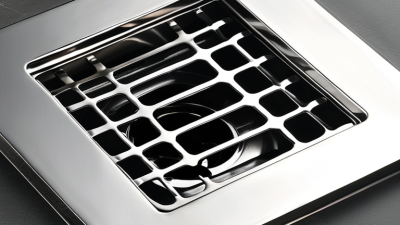
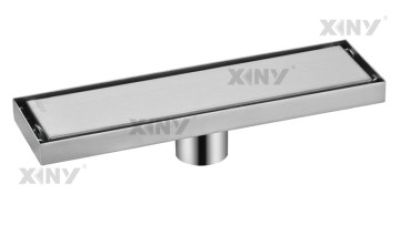
Picking out a Shower Grate Floor Drain in 2026 isn't just about matching the finish to your bathroom tiles — there's more to consider. Things like water flow, how strong the grate is, how easy it is to clean, how deep it needs to be installed, and waterproofing all play a big role in how it performs over the long haul. Sure, a drain might look stunning when you see it in a showroom, but if hair gets caught beneath a narrow channel, it can become a real headache down the line. It’s those little details that make all the difference.
Richard Trethewey, who’s a pro in plumbing and heating and also works with This Old House, often says, “Good drainage begins with the right slope, not just looks.” Honestly, that piece of advice still holds true. A good shower drain needs to handle your flow rate and work with the floor’s minimum slope leading to the outlet. Opting for materials like stainless steel, with precise welding and a removable trap cover, can boost durability and make maintenance easier. But let’s be honest — no matter how fancy the material is, poor installation can’t be fixed by just choosing a better drain.
If you’re into a more seamless, quieter look, a tile-in shower grate drain might be right up your alley. It can blend pretty seamlessly into your floor, but keep in mind, the tile needs to be cut carefully, and the supporting tray has to stay stable. Otherwise, you risk cracking those tiny grout lines around the insert — something easy to overlook, but annoying when it happens.
Before you buy, make sure to double-check the outlet size, waterproofing system, height adjustability, and how easy it is to clean. Brands like Schluter-Systems, Infinity Drain, and ACO are usually good references, but don’t just go by the specs — compare them carefully. Not every drain is perfect for every bathroom. Sometimes, what sounds great in theory doesn’t hold up once you see the actual site conditions. So, measure twice, ask questions, and don’t be swayed just by an attractive product. The best choice combines good looks, proper drainage, easy maintenance, and, honestly, an installation experience that makes the whole process smoother.
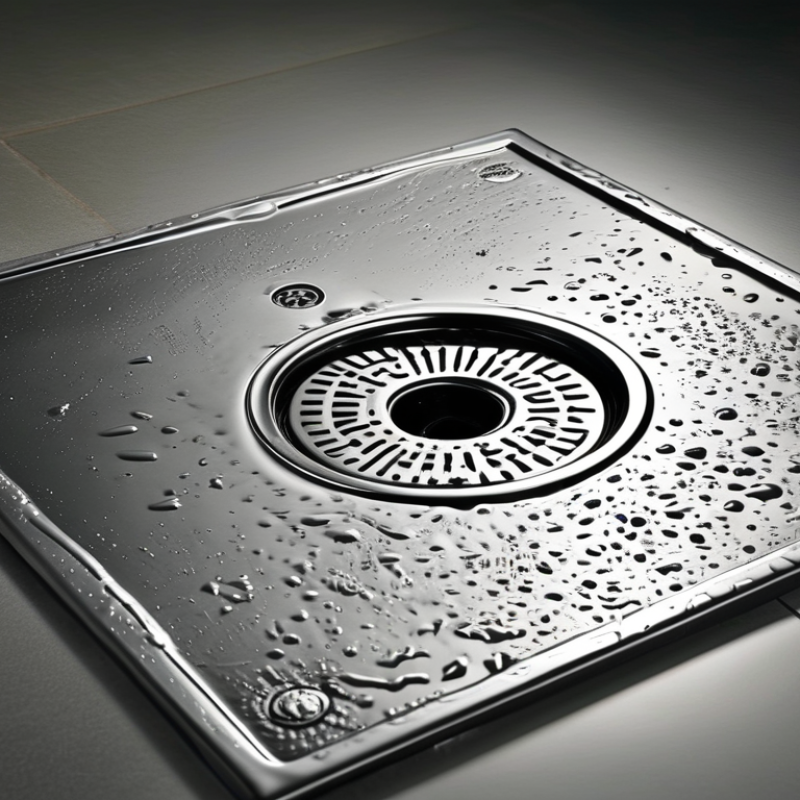
A Shower Grate Floor Drain is the visible drainage opening installed at shower level. It collects water through a removable grate and directs it into a waste pipe. Beneath the grate, a sloped shower base guides water toward the drain. A trap holds water and blocks sewer gases from entering the bathroom. The system is simple, but small errors can create standing water, odors, or leaks.
The U.S. Environmental Protection Agency’s WaterSense specification limits certified showerheads to 2.0 gallons per minute, compared with the federal standard of 2.5 gallons. A properly sized drain should handle that flow without slow drainage. The grate opening also needs enough free area after hair and soap buildup. That detail is often overlooked. The International Code Council’s plumbing provisions commonly reference a 1.5-inch minimum shower waste outlet, although local requirements can differ.
When choosing a Shower Grate Floor Drain, check the outlet size, grate loading strength, trap access, and waterproofing connection. Stainless steel grates resist corrosion, while polymer options can reduce cost and weight. A tile-insert grate can blend with the floor, but its narrow gaps may need frequent cleaning. On site, installers usually test the slope with a small amount of water before sealing the surface. A fall of about 2% is widely used for shower floors. It works well, though it is not magic. Uneven tiles can still leave puddles. Reports and code guides help, but careful installation decides daily performance.
How to Choose a Shower Grate Floor Drain in 2026?
Which Shower Grate Drain Types Fit Different Bathroom Designs?
A linear shower grate suits long, modern bathrooms with large-format tiles. Its narrow channel creates one continuous slope and fewer visible joints. A center drain works better in compact bathrooms, especially when the floor already slopes from four directions. For accessible bathrooms, a low-profile Linear Drain can reduce the threshold and improve wheelchair movement. The 2024 Houzz U.S. Bathroom Trends Study surveyed more than 1,300 homeowners, reflecting continued investment in larger, more personalized showers. Design is changing, but drainage still depends on site conditions.
Choose a tiled-in grate when visual continuity matters. Select a stainless-steel grate for rental properties, busy family bathrooms, or frequent cleaning. The U.S. Environmental Protection Agency states that WaterSense showerheads use no more than 2.0 gallons per minute, compared with the federal 2.5-gallon limit. Lower flow does not excuse poor drainage. Check the drain’s tested flow rate, waterproofing connection, and removable hair trap. European drainage standard EN 1253 also emphasizes safe, hygienic floor drainage performance.
Tips: Match the grate length to the shower entrance, not only the wall. Keep the slope near 2% where local codes permit. I prefer adjustable feet on uneven slabs, although they can complicate installation. A beautiful grate can still fail when the membrane connection is rushed. Ask for test documents, cleaning access, and written installation guidance before buying.
The chart compares five common shower drain formats against four bathroom design priorities. Scores range from 1 to 5, where 5 indicates stronger suitability. Linear and tile-insert drains generally work well with contemporary, barrier-free, and large-format tile designs, while point drains are often practical for compact showers with sloped floors leading to a central outlet.
How to Choose a Shower Grate Floor Drain in 2026?
Match the drain to the floor before selecting its finish. The 2024 International Plumbing Code lists 2 inches as the minimum shower waste outlet size in many installations. Still, local rules and expected flow can differ. The EPA WaterSense specification limits certified showerheads to 2.0 gallons per minute, but multiple outlets may exceed that flow. Check the plumber’s calculation, not only the product label. A drain placed near the shower entrance may collect water quickly, yet it can feel uncomfortable underfoot. A centered drain often suits a four-way sloped floor, while a linear drain works better with one-way slopes.
Shape should follow the tile layout. A square drain fits modular grids and simplifies balanced cuts. A Square Shower Floor Drain With Tile Insert Grate can make the surface look continuous, but the insert needs accurate tile thickness and a removable lifting point. Linear drains support larger tiles, although the floor must slope consistently toward one long edge. The 2024 NKBA Design Trends Report surveyed 536 kitchen and bath professionals and identified curbless showers as a continuing design direction. That trend increases the importance of precise transitions and dependable drainage. My practical mistake would be trusting visual alignment before checking the subfloor slope.
Tips: Mark the drain center with chalk. Measure tile, adhesive, and membrane thickness together. Leave service access. Test drainage with several buckets before sealing the joints. A small offset is sometimes wiser than forcing a perfect grid.
For a Shower Floor Grate Drain, durability starts with the base metal, not its shine. In my installation experience, 316 stainless steel performs best in wet rooms exposed to salts, cleaners, and hard water. Its molybdenum content improves resistance to pitting. Standard 304 stainless steel can still work well, but it needs gentler cleaning and better ventilation. Avoid thin plated steel where the coating may chip around screw holes.
Finish matters, too. Brushed surfaces hide scratches and water marks better than mirror polishing. Physical vapor deposition can add color and surface hardness, but it cannot repair weak metal underneath. Black finishes often reveal limescale quickly. That is easy to underestimate. The NACE IMPACT study estimated global corrosion costs at 2.5 trillion dollars annually, equal to about 3.4% of global GDP. A drain is small, but repeated moisture creates expensive failures.
Check the grate’s load rating, weld quality, slope, and removable hair trap. EN 1253-1 provides performance requirements for floor drains, including flow and load considerations. Ask for test documentation, not only decorative samples. I would choose 316 stainless steel with a brushed or properly tested PVD finish for most residential showers. Still, this recommendation is not perfect. Chlorine-heavy cleaners, trapped debris, or poor waterproofing can damage excellent materials. Clean the grate monthly, rinse chemicals away, and inspect corners where dark staining usually begins.
| Material | Common Finish | Corrosion Resistance | Scratch and Wear Performance | Cleaning Requirements | Typical Service Life* | Best Use | Key Consideration |
|---|---|---|---|---|---|---|---|
| 304 Stainless Steel | Brushed / satin | ★★★★☆ Very good for normal indoor bathrooms | Good; the directional grain helps disguise light marks | Clean with mild soap and water; wipe with the grain | 15–25 years with correct installation and routine care | Most residential bathrooms | Can show tea staining or surface corrosion in coastal areas or where chloride cleaners are used. |
| 304 Stainless Steel | Polished | ★★★★☆ Very good for normal indoor bathrooms | Good resistance, but water spots and scratches are more visible | Frequent drying may be needed to maintain a mirror appearance | 15–25 years with correct installation and routine care | Contemporary bathrooms where shine is preferred | Do not use abrasive pads, bleach-based products, or harsh scouring powders. |
| 316 Stainless Steel | Brushed / satin | ★★★★★ Excellent resistance to chlorides and humid conditions | Good; brushed texture reduces the appearance of minor scratches | Low maintenance; rinse away salt and chemical residue | 20–30+ years in demanding residential environments | Coastal homes, wet rooms, and high-humidity bathrooms | Usually costs more than 304 stainless steel, but offers a stronger corrosion-resistance margin. |
| 316 Stainless Steel | Polished | ★★★★★ Excellent resistance to chlorides and humid conditions | Good material durability; polished surface shows marks more easily | Use a soft cloth and non-abrasive cleaner to prevent dulling | 20–30+ years in demanding residential environments | Premium installations near the sea or spa areas | Surface appearance requires more care than a brushed finish, even though the base metal is highly durable. |
| Stainless Steel | PVD color coating | ★★★★☆ Good when the coating and substrate are properly manufactured | Very good color stability and wear resistance; edges can still be vulnerable to impact | Use pH-neutral cleaner; avoid abrasive tools and strong acids | 10–20 years, depending on coating quality and usage | Black, gold, bronze, or other coordinated bathroom finishes | Choose a well-bonded coating and inspect cut edges, corners, and welded areas before installation. |
| Stainless Steel | Electroplated or painted finish | ★★★☆☆ Depends heavily on surface preparation and coating quality | Moderate; chipped areas may expose the substrate to moisture | Clean gently and repair damaged coating promptly | 5–15 years, depending on coating thickness and bathroom conditions | Budget-focused decorative installations | Less forgiving than uncoated stainless steel if the finish is scratched, chipped, or exposed to harsh chemicals. |
| Brass | Chrome plated | ★★★☆☆ Good while the plating remains intact | Moderate; plating may wear at high-contact edges over time | Use mild, non-abrasive products and avoid acidic descalers | 8–15 years, depending on plating quality and maintenance | Traditional-style bathrooms and replacement projects | Once the plating is damaged, the underlying brass can tarnish or discolor. |
| Brass | Brushed or aged finish | ★★★☆☆ Moderate to good with proper protective treatment | Moderate; patina may develop naturally on untreated areas | Follow the finish supplier’s care instructions; avoid aggressive polishing | 8–15 years, with appearance changing over time | Decorative bathrooms with a warm metal palette | Color variation and patina are normal characteristics rather than signs of structural failure. |
| Tile-Insert Stainless Steel Frame | Brushed or concealed tile surface | ★★★★☆ Very good when the frame is stainless steel | Frame is durable; the visible surface depends on the installed tile | Lift the insert regularly and remove hair, soap residue, and debris | 15–25 years; tile surface may require earlier replacement | Minimalist bathrooms designed for visual continuity | Drainage depends on correct tile thickness, slope, waterproofing, and access for cleaning. |
*Service-life figures are typical planning estimates for residential use, not guarantees. Actual durability depends on material grade, welding quality, coating adhesion, water chemistry, cleaning products, installation accuracy, waterproofing, and regular maintenance. For most homes, brushed 304 stainless steel offers the best balance of cost and durability, while 316 stainless steel is the stronger choice for coastal or high-chloride environments.
A Shower Floor Drain Grate must handle peak flow, not only average shower use. The U.S. EPA WaterSense program reports that showers represent nearly 17% of residential indoor water use. WaterSense-labeled showerheads also use no more than 2.0 gallons per minute. Compare that flow with the drain’s tested capacity, especially when several outlets operate together. A grate with narrow slots may slow surface water, even when the pipe below is large enough. Watch the floor slope, too. Poor falls can leave a shallow puddle beside the grate.
Odor control depends on the trap seal, correct venting, and regular water movement. The 2024 International Plumbing Code commonly specifies a trap seal between 2 and 4 inches, but local rules may differ. Confirm the requirement before installation. Cleaning access matters just as much. Choose a removable grate, visible hair basket, and tool-free access where possible. A hidden outlet can look elegant. It can also hide soap residue and hair.
Tips: Pour water through the drain after dry periods. Check the grate weekly. Avoid relying on fragrance blocks to mask sewer odors. In a real bathroom, I would lift the grate before buying. Some attractive designs are awkward to grip, and that small flaw becomes frustrating during cleaning. EPA WaterSense residential water-use data and current plumbing codes provide useful benchmarks, but site conditions still deserve careful review.
Choosing a shower grate floor drain in 2026 requires more than matching a tile pattern. Installation details often decide whether the drain performs well after years of use. Measure the shower slope and outlet position before shopping. A grate should sit flush with the finished floor, not above it. Confirm that the drain body matches your pipe diameter and waterproofing system. This small check prevents awkward adapters and weak seals. Ask for tested flow-rate data, especially for rainfall showerheads. Real water testing is more useful than attractive product photos.
During installation, inspect the membrane connection carefully. The drain flange must bond securely with the waterproof layer. Corners and threaded joints deserve extra attention. I prefer removable hair baskets when the layout allows them. They make cleaning faster and reveal buildup early. Check whether the grate can be lifted without scratching nearby tile. A suction tool or lifting key may help. Also leave enough access for future trap cleaning. A drain that looks neat but cannot be serviced becomes expensive.
Maintenance should fit your household, not an ideal routine. Rinse the grate weekly and remove hair before it reaches the trap. Flush with warm water, but avoid harsh chemicals that may damage seals. Watch for slow drainage, odors, rocking, or standing water. These signs need inspection, not masking. Stainless steel is durable, yet it still shows soap film and hard-water marks. Wipe it dry after cleaning. I once underestimated a slight floor dip, and water collected beside the grate. That mistake changed my buying checklist. Verify the installer’s slope work with a real bucket test.
The global bathroom fixtures market is projected to expand at an annual rate of approximately 6% through 2030, according to Grand View Research’s bathroom fixtures analysis. This growth reflects rising investment in residential renovation, hospitality projects, and space-efficient bathroom design. Within this trend, rectangular linear shower drains are gaining attention because they support cleaner floor layouts, improve water management, and complement contemporary interiors. China’s stainless steel manufacturing sector offers a practical source for these solutions, combining scalable production with durable material performance.
Our premium Shower Linear Drain is engineered for modern bathrooms and supplied with essential accessories for convenient installation and maintenance. Made from corrosion-resistant stainless steel, the rectangular drain is designed for long-term reliability in wet environments. Its reversible 2-in-1 cover allows either a tile insert or a sleek metal finish, while the removable design simplifies cleaning. An integrated hair strainer helps reduce clogging, and the backflow preventer core adds an extra layer of drainage protection. Produced by dependable China suppliers in a dedicated factory, this solution brings efficient performance, understated aesthetics, and adaptable installation to residential and commercial shower spaces.
Check the drain’s tested capacity against the maximum flow from every outlet. A single showerhead may use about 2.0 gallons per minute. Multiple outlets can exceed that amount. Local plumbing rules may require a minimum two-inch waste outlet. Confirm the calculation with a qualified plumber.
Choose a centered square drain for a floor sloped from four directions. A linear drain suits a floor sloped toward one long edge. Match the drain with the tile pattern. Square drains simplify balanced tile cuts. Linear drains may support larger tiles.
Mark the drain center with chalk before preparing the floor. A drain near the entrance can collect water quickly. However, it may feel uncomfortable underfoot. A slight offset can work better than forcing perfect tile alignment. I would not trust appearance alone.
Measure the tile, adhesive, and waterproofing membrane together. The insert must match the finished tile thickness accurately. Provide a removable lifting point for maintenance. Leave enough service access below the grate. Measure everything together.
316 stainless steel generally resists salts, cleaners, and hard water well. Its molybdenum content helps reduce pitting. 304 stainless steel can also perform well with gentler cleaning. Thin plated steel may chip around screw holes. The shine is not the strength.
Brushed finishes usually hide light scratches and water marks better than mirror polishing. Dark finishes can show limescale quickly. A tested surface coating may improve color stability and hardness. It cannot compensate for weak metal underneath. That flaw matters.
Compare tested drain capacity with the combined output of all shower outlets. Narrow grate slots may slow surface drainage. The pipe below may still be large enough. Check the floor slope for shallow puddles near the grate. Test with several buckets before sealing joints.
Confirm the trap seal and venting requirements for your location. Many plumbing rules use a trap seal between two and four inches. Choose a removable grate and an accessible hair basket. Pour water through the drain after long dry periods. Lift the grate weekly. Hidden parts can become frustrating.
Choosing the right Shower Grate Floor Drain is essential for a safe, clean, and attractive bathroom. This guide explains how a grate drain collects water through its surface and directs it into the waste pipe, while comparing linear, square, and center-drain designs for different shower layouts. It also shows how to match the drain’s size, shape, and position with the slope and dimensions of the shower floor to support efficient water flow and a balanced appearance.
The article examines durable materials and finishes that can resist moisture, corrosion, stains, and daily wear. It also covers practical features such as drainage capacity, odor-control traps, removable grates, and easy cleaning access. Before buying, readers should review installation depth, pipe compatibility, waterproofing requirements, floor access, and long-term maintenance needs. A well-selected drain should combine reliable performance, simple upkeep, and a design that complements the entire shower area.