Leave Your Message
0%

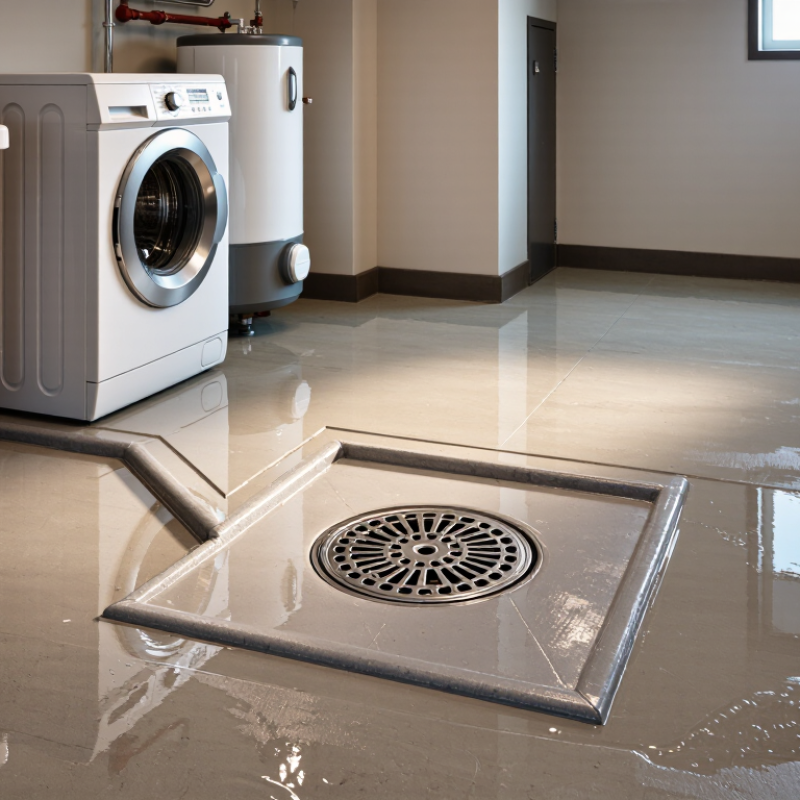
Picking out the best Basement Floor Drain for 2026 isn’t just about comparing prices or shiny metal finishes. You might see a drain that looks super tough in the showroom, but once it’s installed next to your washing machine or water heater, it could end up performing pretty poorly. Moisture in your basement tends to sneak in quietly through tiny cracks, rising groundwater, or a blocked discharge line—that’s not always obvious right away. So, the right drain needs to match the specific risks of your space, including the slope of the floor, your plumbing layout, and how much water you expect to deal with.

Richard Trethewey, who’s a plumbing and heating pro over at This Old House, reminds us that, “A floor drain is your basement’s first line of defense.” And honestly, that’s still totally true in 2026. When shopping around, look for a grate that resists corrosion, a reliable trap, easy access for cleaning, and compatibility with a backwater valve. Plus, a trap primer can be a lifesaver in preventing dry traps and those nasty odors. It’s the little details that really count.

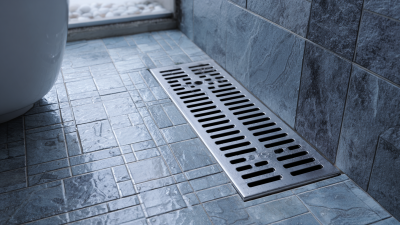
Now, if you’re setting up a laundry room, you’ll want something different compared to a finished entertainment space. A basement shower drain, which you can check out [here](https://www.ssfloordrain.com/basement-shower-floor-drain), needs to handle regular use without turning into a headache to maintain. Make sure to look at the drain diameter, grate height, pipe materials, and the local install rules. You might come across product claims that sound great—they’re not always the full story. In real life, even an awesome drain can give you trouble if the floor isn’t sloped properly or if the discharge pipe isn’t big enough. This is one detail many buying guides tend to overlook.

This guide walks you through the most common materials, layouts, grate styles, and installation concerns. It also looks at how easy they are to clean, flood resistance, accessibility, and overall value over time. The truth is, the most expensive option isn’t always the best one. Often, it’s the drain that fits your basement’s actual conditions quietly and reliably that wins out.
How to Choose the Best Basement Floor Drain in 2026?

Define the Drain’s Role: Floor Drain, Sump Inlet, or Area Drain

How to Choose the Best Basement Floor Drain in 2026?

Define the Drain’s Role: Floor Drain, Sump Inlet, or Area Drain

A basement floor drain handles water that reaches the floor, such as a small leak or routine cleanup. It usually connects to a trapped drainage line, so confirm the outlet and required trap details before choosing a model. A sump inlet serves a different purpose: it directs water into a sump basin, where a pump can move it away. These are not interchangeable. The right choice depends on where water collects and how it leaves the basement.

An area drain collects runoff across a broader spot, such as near a basement entry or utility-room threshold. Look at the floor slope, expected water volume, and drain location. A drain placed just beyond the low point may leave a shallow puddle behind. I’ve seen plans miss that detail; it is easy to overlook on paper.

Check Local Code: IPC 2024 Sets Trap Seals at 2–4 Inches

How to Choose the Best Basement Floor Drain in 2026?

Check Local Code: IPC 2024 Sets Trap Seals at 2–4 Inches

In a basement, the trap seal helps block sewer gases from entering the room. The 2024 International Plumbing Code (IPC) specifies a trap-seal depth of 2 to 4 inches. But local authorities may use a different code edition or add amendments. Check with your local building department before buying a drain. A code-compliant product is useful only if it suits the rules where you live.

Measure the pipe size, drain opening, and available floor depth before choosing a model. Confirm that its trap can maintain the required seal and that the grate sits level with the finished floor. Dry basements can lose water from a trap through evaporation, so ask whether a trap primer or another approved protection method is needed. A clean-looking grate can still hide a poor fit; that detail is easy to miss. When dimensions or local requirements are unclear, consult a licensed plumbing professional.

Tips: Pour water into an infrequently used drain and check that the trap stays filled. Keep the grate clear of lint and grit. Verify local requirements before installation.

Size the Outlet by Drainage Fixture Units, Not Grate Width

A wide grate does not prove that a Basement Floor Drain needs a wide outlet. Size the piping from the drainage load and the applicable plumbing code. The 2024 International Plumbing Code assigns a standard floor drain 2 drainage fixture units (DFU) in Table 709.1. That is a code-based load value, not a measurement of grate width. Table 710.1(1) uses accumulated DFUs to determine drainage-pipe capacity. Easy to miss.

For a basement serving a laundry sink, washer, or other fixtures, count each connected fixture using the locally adopted code’s DFU values. Then check pipe diameter, slope, and the layout of the branch before choosing the outlet. A broad grate over a small branch can still leave the piping as the bottleneck; a larger outlet alone does not ensure faster drainage. Also confirm whether the drain connects to a gravity system or a sump arrangement, since the design conditions differ. A useful field check is to measure the existing pipe and note its slope, not just the grate opening. ICC’s plumbing-code tables provide a professional sizing reference, but local amendments can change requirements. One imperfect detail: existing basement piping may be concealed, so verify it before specifying a replacement.

Match Grate Load Class: EN 1433 A15 Is Tested at 15 kN

When choosing a basement floor drain, check the grate’s load class, not just its size or finish. If the drainage assembly is classified under EN 1433, A15 means it has been tested with a 15 kN load. That is a test classification, not a promise that every installation will safely carry the same load in daily use. Installation matters. A poorly supported frame can shift or crack under pressure, even when the grate carries an A15 marking.

A15 is generally intended for pedestrian and bicycle areas, so it may suit a laundry room or a basement walkway. Picture a person crossing with a full laundry basket. That is different from a loaded hand truck, a workshop machine, or a car entering a garage. Choose a class that reflects the heaviest realistic use, and verify the classification in product documentation. Also check that the frame sits firmly in the surrounding floor. I might be tempted to choose the lowest class for a quiet basement, but stored equipment and future renovations can change the load. A stronger grate alone cannot fix weak support.

Compare Drain Materials and Listings Under ASME A112.6.3

A basement drain must handle seepage, wash-down water, and occasional grit without becoming difficult to clean. Material choice affects that balance. Stainless steel resists corrosion, but its grade and finish still matter in damp rooms. Cast iron feels substantial and may suit heavier installations, though damaged coatings can expose it to rust. Brass offers durability, while polymer drains are lighter; check their temperature and chemical limits. Small details matter.

When comparing listings under ASME A112.6.3, confirm that the documentation names the exact model and the applicable standard edition. ASME publishes the standard; a product listing or certification may come from a separate testing organization. Read its scope rather than relying on a logo or a broad “compliant” claim. Does it cover the drain body, grate, and outlet configuration you plan to install? Check those details. Also compare outlet size, grate opening, and cleanout access against the site conditions. A basement slab can hide a mismatch until installation day. For an OEM Basement Shower Floor Drain, request current technical documents and verify the listed configuration with the supplier. I would still recheck dimensions on the actual plan; paperwork cannot resolve every field-fit question.

How to Choose the Best Basement Floor Drain in 2026?

Compare typical drain-body material densities and check product documentation for ASME A112.6.3 compliance.

How to read this chart: Values are representative material densities; actual values vary by grade and formulation. Density alone does not determine drain capacity, corrosion resistance, or service life. When comparing products, review their technical documentation and confirm that the specific drain is stated to conform to ASME A112.6.3 for its intended installation. The standard is not a material ranking.

Protect the Trap Seal with Devices Covered by ASSE 1072

A basement floor drain is only as dependable as its trap seal. If water evaporates or is siphoned away, sewer gas may enter the room. ASSE 1072 sets performance requirements for barrier-type Floor Drain Trap-seal protection devices. These devices let water drain while helping block sewer gas. Look for documented certification to ASSE 1072, not a vague odor-control claim. Check compatibility with the drain opening, drainage needs, and cleaning access. Fit matters. It is easy to overlook.

The EPA WaterSense Fix a Leak Week materials estimate household leaks waste nearly 10,000 gallons of water annually; about 10% of homes have leaks exceeding 90 gallons daily. This figure concerns household leaks, not trap-seal failures, but it underlines why small plumbing details deserve attention. For a Custom Basement Shower Floor Drain, confirm the selected ASSE 1072 device suits shower discharge and can be removed for cleaning. Inspect it after long vacancies or dry seasons. I would not assume one device fits every drain. A quick check beats guessing.

Plan for Cleaning Access, Replacement, and Long-Term Maintenance

A basement floor drain should be easy to inspect, not just attractive under a new grate. Choose a cover that lifts with a simple tool and leaves enough room to remove hair, grit, and soap residue. Small details matter. A removable sediment basket can catch debris before it reaches the trap, but only if it comes out without forcing or bending it. Check the grate’s opening size, too; narrow slots may clog faster in a laundry area.

Think about replacement access before installation. Measure the drain body and outlet, and confirm how the connection will be reached if parts need service. If you are sourcing a Wholesale Basement Shower Floor Drain, request clear dimensions and material details rather than relying on a product photo. A drain that fits today may be difficult to replace if its size or connection type is uncommon. I would not assume every “universal” fitting is universal.

Plan for routine care. Remove visible debris monthly, rinse the channel, and watch for slow drainage or recurring odors. Use cleaning methods suited to the drain material, and avoid pushing tools blindly into the pipe. Keep a record of the drain size and installation details; it can save time later. Honestly, maintenance is easy to postpone until water pools around your feet. That is usually too late.

How to Choose the Best Basement Floor Drain in 2026? — Plan for Cleaning Access, Replacement, and Long-Term Maintenance

Selection factor Standard removable-grate drain Drain with removable sediment basket Drain with accessible cleanout on the branch
Best suited for General basement floor drainage where debris is limited and the drain is checked regularly. Laundry, utility, or workshop areas where lint, grit, or small debris may reach the drain. Installations where practical access for clearing a downstream branch line is a priority.
Cleaning access Lift the grate to remove surface debris and inspect the drain opening. The grate does not necessarily provide access to the full pipe. Lift the grate and remove the basket for cleaning; confirm it can be removed without tools and is sized for the drain body. Use the separate cleanout fitting to access the branch line. The cleanout should remain reachable and have enough working clearance.
What to verify before buying Grate dimensions, drain-body outlet size and direction, trap arrangement, and compatibility with the existing pipe. Basket fit, usable opening area, grate security, outlet connection, and whether the basket could collect debris faster than it can be checked. Cleanout location, removable plug clearance, pipe size, and whether access can be maintained after flooring or storage is added.
Common materials Drain bodies are commonly made from cast iron, PVC, or ABS; grates may be stainless steel, coated metal, or plastic. Match materials and connections to the installation. Often uses a plastic or metal drain body with a removable plastic or metal basket and grate. Check material compatibility and corrosion exposure. May use compatible plastic or cast-iron piping and fittings. Material alone does not determine whether the cleanout is accessible or serviceable.
Maintenance considerations Remove debris from the grate and opening; keep the trap’s water seal from drying out. Follow the product instructions for cleaning. Empty and rinse the basket as needed. A full basket can restrict drainage, so inspect it more often where lint or grit is present. Keep the cleanout cap accessible and in good condition. Have a qualified plumber open it if clearing the line requires tools or could release wastewater.
Replacement planning Confirm whether the grate can be replaced separately or whether the drain body is damaged, corroded, or improperly connected. Check that replacement baskets and grates are available in the correct size; dimensions and shapes are not universally interchangeable. Plan access before finishing the floor or placing permanent equipment nearby. Replacing buried drain components may require opening the slab.
Potential drawbacks A removable grate alone may not make a blocked trap or downstream pipe easy to service. The basket needs regular attention and may reduce flow if it becomes clogged or is incorrectly sized. A cleanout helps with service access but does not prevent backups or replace correct drain, trap, and vent design.
Long-term choice A practical option when the drain is easy to inspect and routine surface cleaning is sufficient. Useful where capturing debris is valuable and someone can empty the basket on a regular schedule. A strong maintenance feature when the cleanout is correctly installed, accessible, and compatible with the drainage layout.
Before installation Measure the existing opening and piping, confirm the drain’s intended use and connection, and check local plumbing requirements. Basement floor drains commonly include a trap; trap primers or other measures may be required by local code or installation conditions. Ask a licensed plumber to assess backwater protection where sewer backup is a concern.

Selection tip: Prioritize a correctly sized, code-compliant drain with a removable grate and service access that will remain reachable. Inspect and clean the drain periodically, and address slow drainage, recurring odors, or backups promptly.

FAQS

Should a floor drain outlet be sized by the grate width?

No. Size the piping according to connected drainage loads and the locally adopted plumbing code. A wide grate does not guarantee faster drainage.

How many drainage fixture units does a standard floor drain add?

The 2024 International Plumbing Code assigns a standard floor drain 2 drainage fixture units. Local requirements may differ.

What should I check before choosing an outlet size?

Count connected fixtures, then check pipe diameter, slope, and branch layout. Measure the existing pipe if you can.

Why might a wide grate still drain poorly?

A small branch pipe can restrict flow, even beneath a broad grate. The pipe may be the bottleneck.

Does the drain’s connection type matter?

Yes. Confirm whether it connects to a gravity system or a sump arrangement. Their design conditions differ.

How can a floor drain help keep sewer gas out?

Its trap seal holds water that helps block sewer gas. If the water evaporates or is siphoned away, odors may enter.

What should I look for in a trap-seal protection device?

Check for documented certification to ASSE 1072. Confirm that the device fits the drain, allows drainage, and can be removed for cleaning.

What should I check on a basement shower drain?

Make sure the protection device suits shower discharge and is accessible for cleaning. Inspect it after a long vacancy or dry season. One device may not fit every drain.

Why pay attention to small plumbing leaks?

Household leak estimates suggest leaks can waste nearly 10,000 gallons of water yearly. This does not describe trap-seal failures, but small details matter.

Conclusion

Choosing the right Basement Floor Drain begins with identifying its job: it may serve as a floor drain, a sump inlet, or an area drain, and each use affects the design and installation. Check applicable local requirements, including the IPC 2024 guidance for trap-seal depth of 2–4 inches. Select the outlet size according to drainage fixture units rather than the width of the grate, so the system can handle the expected flow.

Next, match the grate’s load class to the space; an EN 1433 A15 rating, for example, is tested at 15 kN. Compare materials and relevant ASME A112.6.3 listings, and consider devices covered by ASSE 1072 to help protect the trap seal. Before installing, plan for cleaning access, practical replacement, and regular maintenance. These checks help ensure the drain suits the space and remains serviceable over time.


Sophia

Sophia

Sophia is a dedicated marketing professional at Chaozhou Xinxin Technology Co., Ltd., where she plays a crucial role in promoting the company's innovative products and services. With her extensive knowledge of the technology industry, she consistently updates our company's professional blog,......
Previous 10 Best Basement Floor Drains for Global Buyers