Leave Your Message
0%

Picking a Stainless Steel Matte Black Floor Drain isn’t just about looks. It also affects how water drains, how easy it is to clean, safety, and what kind of upkeep you’ll be dealing with long term. Sure, a drain can look sleek under a glass shower, but if the outlet is too small or not lined up right, it just won’t perform well. Honestly, the little details make a big difference.

You know that reminder from Richard Trethewey? He’s the plumbing and heating expert you’ve probably seen on This Old House. He puts it simply: “Water finds the weakest path.” That’s pretty much the idea running through this article. We’re looking at seven tips—drain size, outlet capacity, stainless steel grade, surface coating, grate design, installation slope, and how easy it is to get in there and clean. And each one connects the look of things with what really goes on in a bathroom: soap residue, standing water, bare feet, and day-to-day humidity.

Don’t just go by the sample you see in the showroom. Actually feel the grate—run your fingers over it. Take a close look: does that matte black coating stay even around corners and screw holes? And ask how the finish holds up with everyday cleaning. Don’t just assume all black surfaces are the same, because they’re not. Also make sure the drain works with your waterproofing system and the existing pipe connection. At the end of the day, a pretty product won’t fix a bad installation.

Honestly, a little caution goes a long way here. Product descriptions can sound super precise, but sometimes the measurements you actually need are nowhere to be found. And then there are drains that claim to be easy to maintain—yet once you look under the grate, there's not much room to get at anything. Those kinds of gaps? Yeah, they're worth asking about. So this guide is really about doing your homework: compare options, measure carefully, and don't be shy about getting professional advice if you need it. And keep in mind—the best pick isn't always the priciest one. It’s the kind of drain that actually gets it right—reliable drainage, materials that hold up, a secure fit, and a finish that stays practical even after years of use.
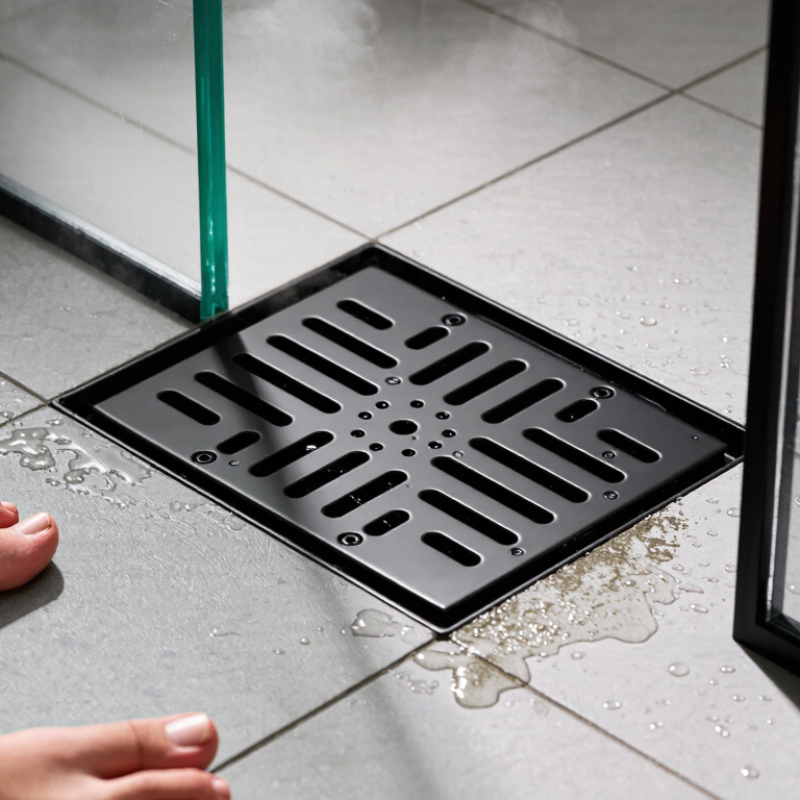
7 Tips to Choose a Stainless Steel Matte Black Floor Drain

Define the Drain’s Purpose and Installation Location

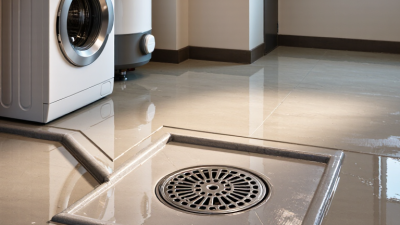
A stainless steel matte Black Floor Drain should match the water it must manage. A shower drain handles frequent flow, soap residue, and hair. A laundry area may receive sudden discharge from a washing machine. Outdoor balconies face rain, dust, and temperature changes. Define the drain’s purpose before choosing its appearance.

The installation location matters just as much. Measure the floor opening, tile thickness, and available pipe diameter. Check whether the floor slopes naturally toward the drain. Even a small slope error can leave a shallow puddle beside the grate. In wet rooms, connect the drain carefully with the waterproofing layer. A poor seal may remain hidden for weeks. Then, damage appears below the floor.

Choose a removable grate for areas needing regular cleaning. Confirm the trap design if odor control is important. For balconies, inspect the outlet capacity during heavy rain, not only during a light test. I have seen attractive drains fail because the frame sat too high above the tile. That mistake is easy to miss. Recheck the finished height before the adhesive sets. Also, verify local plumbing requirements and the drain’s load rating. A bathroom grate rarely needs the same strength as one near equipment or a garage entrance. Matte black surfaces can show mineral spots, so consider the local water quality and cleaning routine. Do not assume the finish will hide every mark.

7 Tips to Choose a Stainless Steel Matte Black Floor Drain: Define the Drain’s Purpose and Installation Location
Tip Selection Factor Recommended Choice Why It Matters Practical Check
1 Define the Drain’s Purpose Choose a drain designed for the intended area, such as a residential shower, bathroom floor, balcony, laundry room, or utility space. Different locations produce different water volumes, debris levels, cleaning requirements, and exposure to chemicals. Confirm the drain’s stated application before purchase.
2 Match the Installation Location Use a compact square or round drain for a standard shower, and consider a Linear Drain where large-format tiles or a single-sloped floor are planned. The drain layout must work with the floor shape, tile pattern, wall position, and available drainage pipe. Measure the available floor area and mark the pipe centerline.
3 Select the Correct Drain Size Common residential shower outlets are approximately 50 mm or 2 inches, but the drain outlet should match the existing waste pipe and local plumbing requirements. A mismatched outlet can require adapters, reduce flow efficiency, or complicate installation. Verify outlet diameter, connection type, and pipe direction.
4 Check Drainage Capacity Compare the drain’s tested flow rate with the showerhead or water source. A practical residential shower drain should commonly support at least about 24 L/min, subject to local requirements. Adequate capacity helps prevent standing water when the incoming flow is high. Compare the manufacturer’s flow rating with the fixture’s maximum flow.
5 Evaluate Material and Finish Look for corrosion-resistant stainless steel, preferably with a durable matte black coating intended for wet environments. Stainless steel resists moisture and corrosion, while a properly applied finish helps maintain appearance and reduces visible fingerprints. Inspect the surface for even color, smooth edges, and complete coating coverage.
6 Confirm Floor Compatibility Choose a model that suits the tile thickness, floor buildup, waterproofing system, and required slope toward the outlet. A typical shower floor slope is about 1:50 to 1:80, depending on local codes and design. Correct height and slope are essential for positive drainage and for preventing water from collecting around the grate. Compare the adjustable height range with the finished floor level.
7 Review Maintenance and Safety Features Prefer a removable grate, accessible hair and debris trap where appropriate, smooth internal surfaces, and a slip-resistant grate design. Easy access supports regular cleaning, while secure and stable grating reduces blockage risks and improves underfoot safety. Confirm that the grate can be removed without damaging tiles or sealants.

Check Stainless Steel Grade and Corrosion Resistance

Choosing a stainless steel matte black floor drain starts with the metal beneath the finish. Matte black describes appearance, not corrosion performance. In site checks, I inspect the drain body, grate, screws, and welded areas separately. Stainless steel 304 suits many indoor bathrooms with ordinary water exposure. Grade 316 offers stronger resistance where salt, chlorides, or harsh cleaning chemicals are present. This difference matters near coastal homes and commercial shower rooms. Still, grade alone does not guarantee durability.

Ask the supplier for a material certificate, not only a product photograph. Check the documents. It should identify the stainless grade and relevant test information. Look closely at welds and folded edges. Poorly cleaned weld discoloration can become a weak point.

Proper pickling, passivation, and rinsing help restore the protective surface layer. I also check whether the black coating covers the grate openings evenly. Scratches around these openings receive constant water and may expose the metal.

A common mistake is choosing 304 because the label sounds sufficient. I have seen this fail in wet, poorly ventilated shower areas. Deposits appeared around the joints, even when the drain looked attractive initially. That experience changed my inspection routine. Check water quality, ventilation, cleaning products, and contact with other metals. Avoid incompatible screws or frames, which can encourage galvanic corrosion. Request salt-spray data only as supporting evidence; it cannot fully copy a real bathroom. If documentation is vague, pause before installation. A lower price may hide a thinner body, rougher welds, or an unsuitable grade.

Choose the Correct Drain Size and Water Flow Capacity

Choosing the correct drain size is more important than its appearance. A beautiful OEM Stainless Steel Matte Black Floor Drain can still perform poorly when undersized. Measure the shower outlet, floor slope, and available pipe connection before ordering. A 100 mm drain may suit many residential showers, but the pipe diameter must match the actual installation.

Water flow capacity deserves careful checking. Record the shower’s output in liters per minute, then compare it with the drain’s tested capacity. Leave a practical safety margin for hair, soap residue, and temporary water surges. For example, an outlet delivering 18 liters per minute should not rely on a drain rated at exactly 18 liters. That choice is too close.

Small details matter.

During installation, test the drain with several buckets of water. Watch for slow drainage, standing water, or leaks around the connection. I once focused too much on the visible grate and overlooked a shallow floor slope. The drain worked, but water collected near one corner. That mistake was avoidable. Confirm the waterproofing layer, removable trap, and cleaning access before the tiles are fixed. Matte black surfaces also need gentle cleaning, since abrasive powder can dull the finish and expose uneven marks.

Evaluate the Matte Black Finish and Surface Durability

A matte black floor drain should look evenly colored under natural and bathroom lighting. Check the grate from several angles. Uneven patches may reveal weak coating control or poor surface preparation. The finish should feel smooth, not chalky or excessively rough. A slightly textured surface can hide water marks, but deep texture may collect soap residue.

Ask how the color is applied. PVD, electroplating, and powder coating behave differently under moisture, cleaning chemicals, and daily abrasion. Stainless steel beneath the finish also matters. A useful inspection includes a dry cloth wipe, a damp test, and a careful check around slots and edges. Look for peeling, exposed metal, or color transfer. Do not use harsh abrasives during testing. They can create damage that normal cleaning would never cause.

Durability is more than appearance. In a busy shower, hair tools, grit, and metal covers can scratch the surface. The drainage panel should sit firmly, without rocking or sharp edges. For a Custom Stainless Steel Matte Black Floor Drain, request coating thickness, adhesion, salt-spray, and chemical-resistance information when available. Test results are helpful, though they are not a promise for every installation. I have seen attractive finishes fail near standing water because the surrounding slope was poor. That detail is easy to miss. Check maintenance instructions before choosing the final surface. A beautiful finish still needs sensible care.

Compare Drainage Design and Anti-Clogging Features

7 Tips to Choose a Stainless Steel Matte Black Floor Drain

A good floor drain must move water quickly, not merely look elegant. Check the grate slope and outlet size before judging the matte black finish. A slightly sloped surface guides water toward the opening and reduces shallow puddles. Compare vertical and horizontal outlets with your existing pipe layout. Misalignment can create slow drainage and difficult maintenance.

Hair and soap are common causes of blockage. Choose a drain with a removable basket or accessible inner trap. A coarse filter often handles hair better than a very fine screen. Finer holes catch more debris, but they may clog faster. I once preferred a fine mesh for a shower, then found it needed frequent cleaning. That choice was not practical.

Look for smooth internal channels and fewer sharp corners. These details help debris pass through during normal flushing. A wide outlet can improve flow, but only when the connected pipe supports it. Test the drain with a bucket of water, watching for swirling, standing water, or unusual noise. The removable cover should lift without special tools. That small detail matters during weekly cleaning.

Matte black coatings also need careful inspection. Check for even coverage around the grate edges and drain screws. Poor contact between parts may collect residue and encourage corrosion under wet conditions. Stainless steel provides useful durability, but installation quality still affects performance. A drain can be attractive and reliable, yet no design removes the need for regular cleaning.

Verify Waterproof Sealing and Installation Compatibility

A stainless steel matte black floor drain should look refined, but waterproof sealing matters more than appearance. The U.S. Environmental Protection Agency estimates household leaks waste over one trillion gallons of water annually. A poorly sealed drain can quietly contribute to that waste. Check the flange, gasket, and membrane connection before accepting the finish.

Confirm the drain outlet matches the existing pipe diameter and trap arrangement. Verify the body height against the screed, tile, and adhesive layers. A drain set too low can collect water; one set too high can leave a sharp edge. The European standard EN 1253-1 covers drainage gullies, including flow performance and sealing requirements. Ask for test documentation when sourcing Wholesale Stainless Steel Matte Black Floor Drain products.

On site, dry-fit the drain before applying waterproofing. Pour a small amount of water around the flange, then inspect the underside after several minutes. Do not rush this test. Check the floor slope, too; many installation guides recommend approximately 2% toward the drain, subject to local code. I would also confirm whether the coating tolerates chlorine-based cleaners and abrasive tools. This detail is easy to miss. A beautiful matte surface can still fail if the membrane is cut unevenly, the gasket twists, or the grate sits loose. Rechecking these imperfect details feels slower, but replacing a leaking tiled floor costs far more than correcting the installation.

7 Tips to Choose a Stainless Steel Matte Black Floor Drain

The chart ranks seven practical selection checks on a 1–5 priority scale. Waterproof sealing and installation compatibility receive the highest ratings because they directly affect leakage prevention, drainage performance, and long-term maintenance.

Select a Reliable Manufacturer and Suitable Price

Choosing a reliable Stainless Steel Matte Black Floor Drain Manufacturer starts with material verification. Ask for the steel grade, coating process, and corrosion test results. A suitable drain should resist bathroom humidity, cleaning chemicals, and daily foot traffic.

Check manufacturing experience through factory photos, sample inspections, and clear technical documents. Confirm the drain’s size, outlet position, grate load capacity, and drainage speed before ordering. A responsible supplier should explain production tolerances and provide consistent samples. Small details matter. Request a pre-shipment inspection when possible.

Price needs a wider view than the unit quotation. Compare mold fees, packaging, shipping, replacement parts, and after-sales support. The lowest price may hide thin steel or an unstable black finish. That choice can become expensive. Ask whether the quoted amount covers testing and custom dimensions. A written warranty also shows accountability, although warranty wording can be vague. Read it carefully.

For suitable pricing, request offers from several qualified manufacturers with identical specifications. Evaluate their response time, defect policy, payment terms, and production schedule. A reliable supplier will not avoid difficult questions. I have seen buyers focus too heavily on appearance and overlook outlet compatibility. That mistake can delay installation. Check the drain against the actual floor structure, not only a catalog drawing. No checklist is perfect, so keep one sample for future comparison.

2025 Global Plumbing Fixtures Report: Customizable Stainless Steel Vertical Outlet Floor Drains for Odor Control (Grand View Research)

The 2025 global plumbing fixtures outlook highlights growing demand for hygienic, durable, and adaptable drainage solutions in residential, hospitality, and commercial construction. Grand View Research estimates that the global plumbing fixtures market was valued at approximately USD 87 billion in 2023 and is expected to expand at a compound annual growth rate of about 5% through 2030. This trend supports the adoption of customizable stainless steel vertical outlet floor drains, particularly where effective water management and odor-control planning are essential.

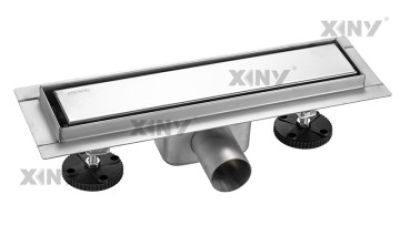
Our European-style linear floor drain is manufactured by experienced China suppliers using corrosion-resistant stainless steel and is designed for flexible project integration. Sturdy plastic supports along the cover edges improve stability, while two adjustable black height accessories make it easier to align the drain with different floor levels and installation conditions. Customers may select the accessories according to project requirements, and the drain pattern can be customized to complement a range of architectural styles. For odor control, the vertical outlet configuration can be specified with a suitable trap or sealing insert, helping reduce the return of unpleasant sewer gases when correctly installed and maintained.

FAQS

How should I choose the drain’s installation location?

Match the drain to its expected water flow. Showers handle soap, hair, and frequent water. Balconies face rain, dust, and temperature changes.

What measurements should I check before installation?

Measure the floor opening, tile thickness, pipe diameter, and finished drain height. Confirm the floor slopes toward the outlet. Small errors can leave puddles.

Why is waterproofing important around a floor drain?

The drain must connect securely with the waterproofing layer. A weak seal may stay hidden for weeks. Later, water can damage the floor below.

Should the grate be removable?

Choose a removable grate where hair, dust, or soap collects often. Cleaning becomes easier. It may still be annoying sometimes.

How can I evaluate a matte black finish?

Inspect it under natural and bathroom lighting. Look for even color, smooth edges, peeling, exposed metal, or color transfer. Check several viewing angles.

Which coating details are worth requesting?

Ask about coating thickness, adhesion, salt-spray performance, and chemical resistance. Different coating methods react differently to moisture and cleaning products. Test results help, but they are not guarantees.

What problems can occur with a rough surface?

Light texture may hide water marks. Deep texture can trap soap residue and mineral deposits. A chalky surface may indicate poor finish quality.

How do I check the drain’s strength and fit?

Press the grate gently and check for rocking or sharp edges. Confirm the load rating for the installation area. A shower drain needs less strength than one near equipment.

How should I maintain a matte black floor drain?

Use gentle cleaning methods and avoid harsh abrasives. Wipe away standing water and mineral spots. Careful maintenance matters more than appearance alone.

What installation mistake is easy to overlook?

The frame may sit higher than the surrounding tile. Recheck the finished height before adhesive sets. I have missed details like this before.

Conclusion

Choosing the right Stainless Steel Matte Black Floor Drain requires more than focusing on appearance. Start by identifying its purpose and installation location, then select a suitable stainless steel grade with strong corrosion resistance for the surrounding conditions. Confirm that the drain size matches the floor opening and that its water flow capacity can handle expected usage without causing standing water. The matte black finish should be even, durable, and resistant to scratches, fading, moisture, and cleaning products.

A well-designed drain should also include effective anti-clogging features, such as a removable cover or debris-catching structure, while still allowing easy maintenance. Before purchasing, verify the waterproof sealing method, outlet dimensions, and compatibility with the existing drainage system to prevent leaks or installation problems. Finally, compare manufacturers based on production quality, product consistency, technical support, warranty terms, and overall value rather than choosing solely by the lowest price. This approach helps ensure a dependable, attractive, and long-lasting drainage solution.

Sophia

Sophia

Sophia is a dedicated marketing professional at Chaozhou Xinxin Technology Co., Ltd., where she plays a crucial role in promoting the company's innovative products and services. With her extensive knowledge of the technology industry, she consistently updates our company's professional blog,......
Previous Top 10 Types of Stainless Steel for Global Buyers