Leave Your Message
- E-mail
- Whatsapp
- Whatsapp

- Wechat

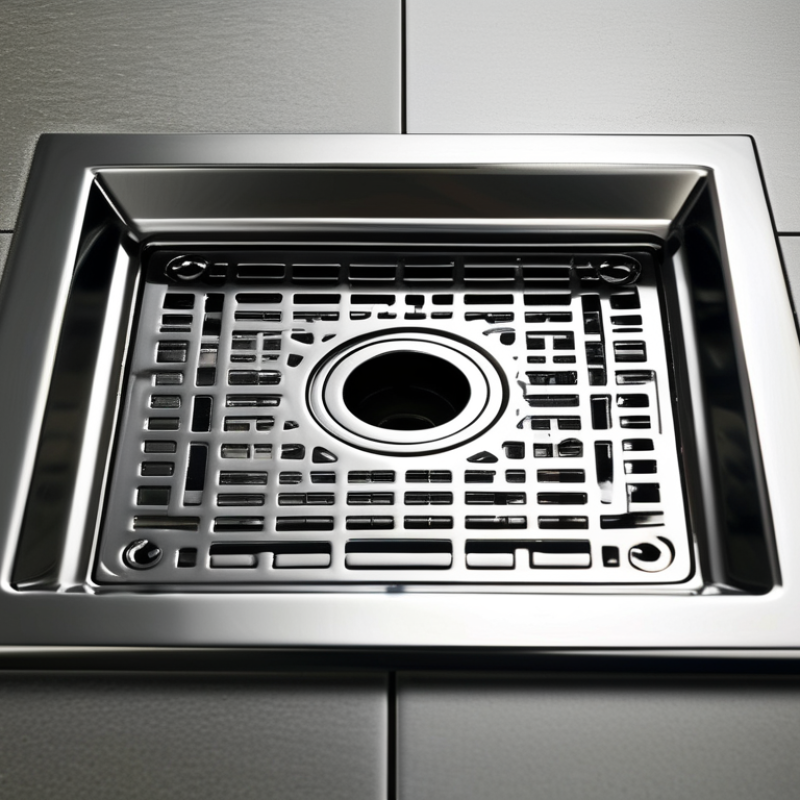
Choosing a Square Stainless Steel Floor Drain isn't just about matching the look of your bathroom. You’ve got to think about how well it handles water, keeps odors at bay, withstands everyday wear and tear, foot traffic, and won’t rust over time. Sometimes, a flashy finish that looks great in a showroom can hide some weak spots — and that drain might still fail down the line.
Richard Trethewey, a well-known plumbing pro and a regular on This Old House, has a pretty good rule of thumb: “Water is the enemy of your home.” That’s a warning you definitely want to keep in mind here. A good drain isn’t just about the shiny surface; it’s about the details — proper floor slope, a sturdy grate that stays in place, an effective trap, and proper connections for your building’s drainage system. Stainless steel is great for resisting rust, but not all stainless steel is created equal. Look for clear info on stainless grades, quality welding, solid supports, and documented tests. Vague product descriptions should raise some eyebrows.
First off, think about where you’re installing it. A shower at home needs a different load capacity than a busy commercial bathroom. Kitchen floors might need easy access for grease and grime. Also, tile thickness can play a big role — it affects how the drain aligns with the floor and whether there’s a noticeable lip where water can collect. So, measure carefully — even a few millimeters of difference can be the difference between a sleek look and a tripping hazard or water pooling.
Don’t forget about cleaning and maintenance. Features like removable grates, smooth interior surfaces, and accessible parts make it easier to keep things flowing smoothly. But, honestly, no drain is completely maintenance-free. Hair, soap scum, dust, and leftover construction debris will eventually clog things up. It’s easy to forget that in the beginning, but it’s an important point.
This guide digs into how well drains perform, different stainless steel grades, grate designs, sizing issues, compatibility with different setups, and how reliable your supplier is. It even throws in some questions about typical buying habits — because going for the cheapest option upfront can turn into a pricey mistake later on, thanks to replacements, leaks, or damage to your tiles. Ultimately, a good square stainless steel drain should blend right in visually while working quietly and reliably beneath the surface.
Choosing a Square Stainless Steel Floor Drain: Match Location, Finish, and Outlet Size
Drain location affects both comfort and water flow. Mark the lowest practical point before fixing the floor slope. Keep the drain away from door thresholds, wall corners, and heavy furniture. A centered position often looks balanced, but it may not suit every room. In a narrow shower, placing the drain near the entrance can leave standing water behind. Check the planned pipe route beneath the slab before purchasing the drain.
Floor finish also controls the frame and grate selection. Measure the finished tile thickness, including adhesive and waterproofing layers. A grate set too low collects water; one set too high catches feet and looks unfinished. Stainless steel suits wet areas, but its surface still shows cement dust and soap marks. I once underestimated the adhesive thickness, and the frame needed adjustment. A dry tile mock-up would have prevented that mistake.
Select the outlet size from the existing waste pipe and expected discharge. A 50 mm outlet commonly suits compact showers and basins. A 75 mm outlet offers more flow for larger shower areas or frequent use. A 110 mm outlet is usually intended for high-capacity drainage and must match the building’s pipework. Never enlarge the outlet by guesswork. Confirm the nominal size, connector type, trap depth, and available fall with a qualified plumber. Local plumbing requirements may also limit suitable arrangements. Test the waterproofing and pour several buckets of water before sealing the final tile joints.
Define Drain Location, Floor Finish, and Required Outlet Size: 50, 75, or 110 mm
| Drain Location | Typical Application | Recommended Outlet Size | Suitable Floor Finish | Recommended Grate Configuration | Installation Considerations |
|---|---|---|---|---|---|
| Bathroom shower area | Walk-in shower, wet-room shower, or small residential wash area | 50 mm | Ceramic tile, porcelain tile, mosaic tile, or natural stone with a compatible bonding system | Square tile-insert grate or perforated stainless steel grate | Use a correctly sloped shower floor, normally about 1:80 to 1:60 where permitted by local practice. Confirm that the trap and outlet can be serviced. |
| Residential bathroom floor | General bathroom drainage outside the shower or near a bathtub and washbasin | 50 mm | Porcelain tile, ceramic tile, terrazzo, or stone | Perforated grate with a removable top for cleaning | Best for areas with limited discharge. Position the grate at the low point and integrate the waterproofing membrane with the drain flange. |
| Laundry or utility room | Floor protection around a washing machine, utility sink, or service equipment | 50 or 75 mm | Textured ceramic tile, porcelain tile, epoxy-coated floor, or concrete | Heavy-duty perforated grate with a removable sediment cup where required | Choose 75 mm when the room has a larger catchment area, frequent wash-down, or a higher risk of hose discharge. Verify the connection to the building drain. |
| Commercial washroom | Public restroom, changing room, or staff washroom with regular foot traffic | 75 mm | Commercial porcelain tile, quarry tile, terrazzo, or resin flooring | Anti-slip stainless steel grate rated for the expected pedestrian load | Use a body and grate designed for the anticipated load class. Provide adequate access for cleaning and avoid placing the drain where doors or fixtures obstruct maintenance. |
| Commercial kitchen or food preparation area | Frequent wash-down zones, dishwashing areas, and equipment-cleaning spaces | 75 mm | Quarry tile, slip-resistant porcelain tile, stainless steel sheet, or resin flooring | Removable heavy-duty grate with a sediment basket or strainer | Use a hygienic, cleanable design with rounded internal transitions where available. Confirm grease-management requirements and ensure the grate is suitable for wet, high-traffic conditions. |
| Plant room or mechanical room | Boiler room, pump room, water-treatment area, or equipment room | 75 mm | Concrete, epoxy resin, ceramic tile, or industrial sheet flooring | Load-rated grate selected for maintenance carts and equipment traffic | Allow for equipment discharge, condensate, and maintenance wash-down. Confirm chemical compatibility if cleaning agents or treated water may contact the stainless steel. |
| Large commercial wash-down area | Vehicle wash bay, industrial cleaning zone, or large wet processing area | 110 mm | Power-floated concrete, heavy-duty resin flooring, quarry tile, or industrial tile | Heavy-duty grate with a large debris basket or channel-drain connection | Use 110 mm only when the drainage layout and expected discharge justify the larger connection. Confirm hydraulic capacity, sediment removal, and access for mechanical cleaning. |
| External covered terrace or balcony | Protected outdoor area exposed to rainwater and occasional cleaning | 50 or 75 mm | Outdoor porcelain tile, stone pavers, concrete, or pedestal-supported paving | Corrosion-resistant grate with a debris screen | Use a weatherproof waterproofing detail, allow for surface movement, and prevent leaves or aggregate from blocking the outlet. Consider local rainfall intensity and overflow protection. |
| Garage or service entrance | Residential garage, covered loading point, or service access area | 75 or 110 mm | Concrete, broom-finished concrete, resin flooring, or heavy-duty tile | Vehicle-load-rated grate matched to the traffic area | Do not use a pedestrian-only grate in a vehicle path. Select the outlet after checking the connected pipework, catchment area, expected wash-down volume, and local drainage requirements. |
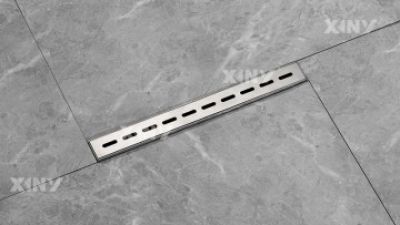
Ultra-narrow 304 stainless steel Linear Floor Drains offer a practical and stylish solution for modern shower spaces. Manufactured by experienced China suppliers, these drains combine durable construction with a slim profile that creates a smooth, nearly seamless connection between the shower floor and drainage channel. The high-quality 304 stainless steel resists daily moisture and maintains reliable performance, while the brushed silver surface adds a clean, refined appearance that suits contemporary and minimalist bathroom designs.
Designed for efficient water drainage, the drain includes a plastic filter core that helps catch hair and debris while reducing unpleasant odors. This feature makes routine cleaning easier and helps keep the shower area fresh. With available lengths of 30 cm, 60 cm, and 80 cm, the ultra-narrow series can adapt to many standard shower layouts and renovation projects. Its streamlined structure also supports flexible installation without overwhelming the surrounding floor design.
In addition to brushed silver, color options such as gray, black, and brushed golden allow homeowners, contractors, and interior designers to coordinate the drain with different tiles, fixtures, and decorative styles. As a China-based factory supplier, the manufacturer focuses on consistent production, careful material selection, and quality control for dependable bathroom applications.
: Place it at the lowest practical point, away from door thresholds and wall corners. A centered drain may look balanced. But it may not suit every room. Check the pipe route before fixing the floor slope.
Measure the finished tile, adhesive, and waterproofing layers together. A grate set too low collects water. A grate set too high catches feet. Make a dry tile mock-up before installation. Measure twice.
A 50 mm outlet often suits compact showers and basins. A 75 mm outlet provides more flow for larger shower areas. A 110 mm outlet suits high-capacity drainage systems. Confirm the existing pipe size with a qualified plumber. Do not enlarge outlets by guesswork.
Confirm the nominal size, connector type, trap depth, and available pipe fall. The outlet must match the building’s pipework. Local requirements may restrict some arrangements. A larger outlet is not automatically better.
H1.5 generally suits barefoot residential areas, such as shower rooms. K3 fits public washrooms without vehicle access. L15 suits workshops and areas with occasional light vehicles. M125 belongs in demanding industrial or loading areas. Choose by traffic risk, not appearance.
Yes. An uneven frame can cause failure, even with a strong grate. The surrounding concrete must support the selected load class. Review project drawings, impact risks, and cleaning equipment. Recheck the class when the final floor use changes.
Confirm that the flange, gasket, and bonding surface suit the membrane system. Some coatings need a compatible primer or clamping ring. Stainless steel does not solve every sealing problem. It does not. Test the waterproofing before sealing the final tile joints.
Use a small level and straightedge to check steady water movement. Avoid shallow corners where soap and hair can collect. Choose a removable grate with a practical lifting method. Check trap access without damaging tiles. Inspect welds, edges, scratches, and grate fit in person.
Choosing the right Square Stainless Steel Floor Drain begins with assessing the installation area, floor finish, and required outlet size, such as 50, 75, or 110 mm. The drain should suit the expected water volume and connect securely with the existing plumbing system. For material selection, compare 304 and 316 stainless steel according to ASTM A240 grade criteria, considering moisture, cleaning chemicals, and exposure to corrosive conditions.
The drain must also match the appropriate EN 1253-1 load class, from H1.5 and K3 to L15 or M125, based on foot traffic and equipment loads. Confirm that its drainage capacity in L/min exceeds the connected fixture’s flow rate. Other important factors include grate open area, trap depth, hair-filtering performance, waterproofing compatibility, floor slope, cleaning access, and clearly documented standards marks. A careful evaluation of these details supports reliable drainage, easier maintenance, and long-term performance.