Picking out the right basement drainage system might not seem like a big deal at first, but trust me, it can save you from a lot of headaches—like standing water, bad odors, or even costly floor repairs. This guide highlights the 10 best Basement Floor Drains for buyers around the world, focusing more on how they actually perform rather than just shiny product claims. A reliable drain should be able to handle sudden water surges, resist rust and corrosion, and be easy enough to clean when needed. Little details really do matter—stuff like a removable grate can make maintenance a whole lot easier and less time-consuming.
In real-life basement projects, what you need can really vary depending on your climate, the slope of your floor, your plumbing setup, and even local building practices. So, it’s important to compare options like stainless steel, cast iron, or sturdy polymer—don't just pick whatever sounds fancy. Pay close attention to outlet size, trap compatibility, how much weight it can handle, and how well it seals. For example, a basement shower drain might be perfect for a wet room, but it might not cut it for laundry or utility areas. Also, be sure to check out the product drawings and installation instructions carefully—those details matter.
Honestly, no drain is perfect. They all come with their own quirks. When we pick our favorites, we think about user experience, feedback from manufacturers, installation reviews, and how easy it will be to maintain over time. That said, keep in mind that performance can really suffer if the installation isn’t done right or if the floor slope isn’t accurate—that’s a detail easy to overlook. So, if you’re buying from abroad, double-check the sizes, replacement parts availability, packaging quality, and whether technical support is accessible. Regional standards and building codes can vary too, so it’s always a good idea to get a professional opinion. Remember, the cheapest option might not always be the best fit. The goal is to find a drain that fits your space, handles your water load comfortably, and stays easy to inspect and maintain for years down the line.
All in all, this guide is just a practical starting point—nothing replaces getting advice tailored to your specific project. Always consider a site-specific review from a pro, especially for something as important as your basement’s water management.
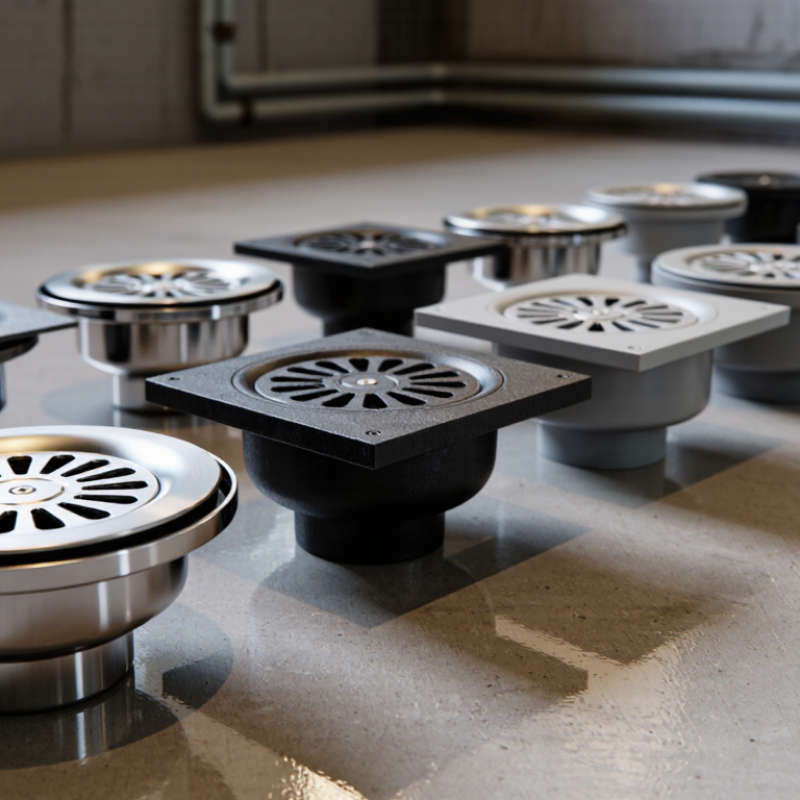
Choosing a Basement Floor Drain begins with water behavior, not appearance. Measure the drain opening and confirm the connected pipe size before shopping. A model that looks substantial may still restrict flow. Check the rated flow capacity, grate load rating, and corrosion resistance. Stainless steel or coated cast materials often suit damp rooms, but material alone does not guarantee durability. Look for a removable grate and a trap primer connection if the drain may dry out. Small details matter.
Basement conditions vary widely between regions. Heavy rainfall, freezing temperatures, and high groundwater can change the right drainage design. A backwater valve may help prevent sewage or stormwater from moving into the basement, but it must match the plumbing layout. Confirm whether the drain connects to a sanitary line, a sump system, or a separate discharge route. Do not guess here. Local plumbing rules, pipe standards, and testing requirements may differ, so a qualified local installer should verify the design.
Cleaning access is often overlooked. Hair, sediment, and construction dust can reduce flow around the grate. Choose a design that allows easy inspection without special tools. One assumption I would challenge is that a larger opening always performs better. It can collect more debris and create a trip hazard if poorly fitted. I would also check replacement parts before purchase, because a durable drain is less useful when its grate or seal cannot be sourced later.
Drain outlet size affects installation requirements and wastewater capacity. The chart shows common nominal drainage-pipe sizes and the minimum slope commonly referenced in U.S. plumbing codes: 1/4 inch per foot for pipes up to 2½ inches, and 1/8 inch per foot for 3–6 inch pipes. Always confirm the requirements in the destination country and local building code.
Practical selection tip: verify the drain outlet diameter, trap configuration, grate load rating, backflow protection, corrosion resistance, and compatibility with the existing floor and drainage system before purchasing.
Basement floor drains serve different purposes, so selection should begin with the application. A point drain suits laundry rooms, utility areas, and small storage basements. It collects water around a central grate and usually costs less to install. A larger basement may need several point drains. Slope matters more than many buyers expect.
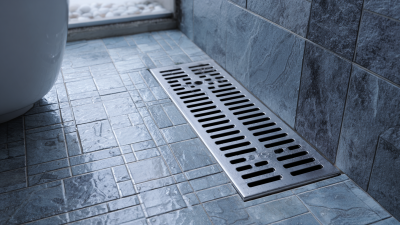
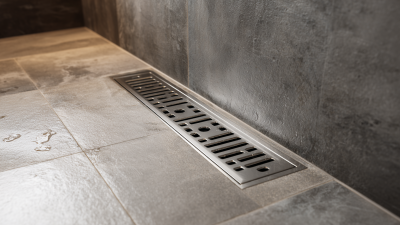
Linear Drains fit shower zones, wet rooms, and modern basement bathrooms. Their long, narrow inlet supports a single-direction floor slope and creates a cleaner walking surface. For an OEM Basement Shower Floor Drain, check grate loading, outlet size, trap depth, and tile compatibility. These details affect maintenance and installation accuracy. Small errors become standing water.
Channel or trench drains work well near basement doors, parking entrances, and washing areas. They capture runoff across a wider opening than standard drains. Heavy-duty grates may handle carts or equipment, but they can feel excessive in a private bathroom. A dry floor drain with a trap primer helps reduce sewer odors when the basement is rarely used. In freezing regions, insulated piping and reliable drainage protection deserve attention. Local plumbing codes still control the final design, even for global purchases. I have seen buyers focus on appearance and overlook cleanout access. That choice often makes future repairs slower. No drain fits every basement.
Comparing the 10 best basement floor drain options starts with risk, not appearance. NOAA’s 2023 Billion-Dollar Disasters report recorded 28 U.S. weather and climate events, showing why basement drainage deserves careful evaluation. Check each drain’s outlet diameter, flow capacity, grate strength, and connection method. A 3-inch outlet may handle water faster than a 2-inch outlet, but local plumbing rules still control the final choice. Verify requirements against the current International Plumbing Code and local inspection guidance.
Material also matters. Cast iron offers strong impact resistance, while stainless steel resists corrosion and suits damp environments. ABS and PVC can reduce weight and installation effort. ASME A112.6.3 covers key performance requirements for floor and trench drains, including structural and drainage considerations. Look for a removable grate, accessible trap, and reliable cleanout. A trap primer can help prevent sewer gases when the basement drain rarely receives water. Do not assume every “heavy-duty” label proves performance.
One detail is often missed. Compare the drain with your slab depth and pipe slope before buying. A beautiful grate is useless if the trap sits too high. Backwater protection may also be necessary where municipal sewer surcharge is possible, but it should not replace a properly sized drain. I would rank verified test data above marketing claims. Some product comparisons remain imperfect because manufacturers report flow rates under different conditions. Photograph the existing pipe, measure its diameter, and ask a licensed professional to confirm compatibility.
Basement floor drains must match local plumbing codes, climate, and actual water loads. The Water Research Foundation’s Residential End Uses of Water Study reports average shower use near 2.1 gallons per minute. A basement shower drain should therefore remove water quickly, without relying on a narrow decorative grate. For most shower installations, a 50 mm (2-inch) outlet is widely specified, but buyers should confirm local requirements. Metric and imperial dimensions are not always interchangeable.
Material affects service life. Stainless steel resists corrosion and suits damp, chemically exposed rooms. ABS and PVC are lighter and practical, but their solvent joints require careful preparation. Cast iron offers strength, though it adds weight and may need corrosion protection. Look for a removable grate, a secure waterproofing flange, and a trap primer where evaporation could allow sewer odors. A Custom Basement Shower Floor Drain should also include an adjustable height frame for uneven slabs. Small details matter.
Drainage capacity is only one concern. FEMA guidance warns that even one inch of indoor flooding can create tens of thousands of dollars in damage. A secondary floor drain, backwater protection, and a reachable cleanout can reduce that risk. I would not choose a drain from flow rate alone. Poor slope, blocked sediment, or a failed membrane can defeat excellent hardware. That is the uncomfortable part: the best specification still depends on installation quality and maintenance access.
A reliable basement floor drain begins with careful planning. Mark the lowest point, then check the concrete thickness and nearby utilities. The drain should connect to an approved waste line, not discharge randomly into soil. Local plumbing rules may require a trap, vent, backwater valve, or sump connection. Confirm these requirements before cutting.
Remove the concrete around the marked area with controlled cuts. Dig deep enough for the drain body, pipe, gravel, and concrete cover. Set the drain grate slightly below the finished floor. A gentle slope should guide water toward it from every direction. Use a level, not your eyes. I once trusted a visual slope, and standing water exposed the mistake.
Connect the pipe with compatible fittings and maintain a steady fall toward the outlet. Pack clean gravel beneath the drain to reduce movement. Seal the pipe joints carefully, then install a waterproof membrane around the opening. Do not bury the grate or block its adjustment ring. Pour repair concrete in layers and keep the drain protected while it cures. Test the system with several buckets of water. Watch for slow flow, leaks, or water returning through the grate. For wholesale projects, a Wholesale Basement Shower Floor Drain may suit repeated installations, but every site still needs individual measurements and drainage checks. Clearance matters. So does patience.
| No. | Drain Configuration | Recommended Outlet | Typical Material | Trap Seal | Grate / Load Guidance | Best Basement Application | Key Selection Check |
|---|---|---|---|---|---|---|---|
| 1 | Point Drain with Removable Grate | 50 mm or 75 mm | PVC or ABS body; stainless-steel grate | 50 mm water seal is common; confirm local code | A15 pedestrian-duty grate for indoor residential areas | Laundry rooms, utility rooms, and small basement areas | Match the outlet diameter and finished-floor height |
| 2 | Adjustable-Height Floor Drain | 50 mm or 75 mm | Plastic drainage body with adjustable collar | Depends on the connected trap assembly | Height-adjustable grate for tile, screed, or concrete floors | Basement renovations with changing floor thickness | Verify adjustment range and waterproofing compatibility |
| 3 | Tile-In Floor Drain | 50 mm or 75 mm | Stainless steel frame and tile-receiving insert | Use a trapped outlet or separate approved trap | Usually intended for pedestrian indoor loading | Finished bathrooms and tiled basement shower zones | Check tile thickness, grate opening, and membrane connection |
| 4 | Linear Trench Drain | 50 mm, 75 mm, or 100 mm | Polymer concrete, stainless steel, or PVC channel | Trap required where connected to sanitary drainage | Select grate class according to pedestrian or maintenance traffic | Basement entrances, shower rooms, and long drainage edges | Confirm channel slope, outlet position, and cleaning access |
| 5 | Backwater-Protected Floor Drain | 75 mm or 100 mm | PVC or cast-iron body with serviceable valve | Integrated or separately installed trap, depending on design | Use an indoor-rated grate with accessible maintenance cover | Basements connected to drainage systems at flood-risk locations | Confirm valve direction, cleanout access, and local approval |
| 6 | Cast-Iron Heavy-Duty Floor Drain | 75 mm or 100 mm | Cast iron with coated or stainless-steel grate | Commonly designed for a 50 mm seal; verify specification | B125 may be suitable for light vehicle or service areas when specified | Workshops, equipment rooms, and utility basements | Confirm corrosion protection, structural support, and load class |
| 7 | Low-Profile Renovation Drain | 40 mm or 50 mm | PVC or stainless steel with compact outlet body | Use only where the selected trap complies with local rules | Light-duty grate for limited-depth floor builds | Existing basements where slab depth is restricted | Measure available depth before cutting or breaking concrete |
| 8 | Drain with Sediment Basket | 75 mm or 100 mm | PVC, polypropylene, or coated metal body | Trap arrangement varies by model and plumbing layout | Removable basket helps collect silt and construction debris | Unfinished basements, boiler rooms, and workshop floors | Ensure the basket can be removed without lifting the drain body |
| 9 | Floor Drain with Primer Connection | 50 mm, 75 mm, or 100 mm | PVC, ABS, or cast iron with primer port | Trap primer helps maintain the water seal in dry areas | Choose a serviceable grate and accessible primer connection | Infrequently used basement rooms and mechanical spaces | Confirm primer pressure, connection size, and plumbing code requirements |
| 10 | Sump-Pit Floor Drainage System | 75 mm or 100 mm discharge pipe | Sump basin with pump, cover, and drainage inlet | Not a substitute for a sanitary trap unless connected accordingly | Use a secured cover and pump system rated for expected inflow | Groundwater management and perimeter-drain collection | Check pump capacity, backup power, discharge route, and alarm |
| Step | Installation Action | Important Practice |
|---|---|---|
| 1 | Confirm the drainage plan | Identify the discharge point, pipe route, invert elevation, local plumbing requirements, and whether a pump or backwater protection is needed. |
| 2 | Set the drain location | Place the drain at a practical low point while avoiding structural footings, reinforcement, utilities, and areas that block future access. |
| 3 | Prepare the slab opening | Cut and excavate only as much concrete and soil as required. Keep the opening stable and protect nearby services. |
| 4 | Install the pipe and trap | Use compatible pipe and fittings, maintain the required fall, and install the trap or approved trap-primer arrangement required by the drainage design. |
| 5 | Connect the drain body | Follow the fitting manufacturer’s solvent-welding, gasket, or mechanical-joint instructions and keep the body correctly aligned. |
| 6 | Install waterproofing details | Use the compatible flange, clamp ring, membrane, sealant, or waterproofing accessory to prevent water from bypassing the drain assembly. |
| 7 | Set the finished elevation | Adjust the collar or grate so the finished surface slopes toward the drain without creating a trip hazard. |
| 8 | Support and backfill | Use compacted bedding or approved concrete support around the pipe and drain body, avoiding movement during slab replacement. |
| 9 | Test the system | Run clean water through the drain, check every joint for leakage, confirm flow, and verify that the trap retains water. |
| 10 | Finish and maintain | Install the grate, keep the opening accessible, clean sediment regularly, and inspect the trap, valve, primer, or pump according to the system design. |
Note: Outlet sizes, trap-seal requirements, waterproofing methods, discharge arrangements, and grate load classes must be checked against the applicable local plumbing and building codes before purchase or installation.
Choosing among the 10 best basement floor drains requires more than comparing flow rates. Maintenance access, safe footing, and long-term resistance to corrosion matter just as much. A removable grate should sit firmly and remain flush with the floor. Loose covers can catch shoes or shift under a storage shelf. Check the drain monthly for hair, sediment, and paint debris. A small brush and warm water often remove buildup before it becomes a blockage.
I once underestimated how quickly basement dust could clog a shallow drain trap. That mistake caused unpleasant odors after heavy rain. Now, I test the drain with a bucket of clean water and inspect the trap seal. The water should disappear steadily, without gurgling or backing up. If odors return, the seal may be dry, damaged, or poorly designed. Do not pour harsh chemicals into an unknown drainage system. They can damage seals and create unsafe fumes.
Long-term performance also depends on installation quality. The surrounding floor should slope gently toward the drain, without sharp edges or standing puddles. In flood-prone areas, a backwater protection device may reduce reverse flow, but it still needs inspection. Stainless or corrosion-resistant components usually suit damp basements better than untreated metal. Local plumbing requirements should guide pipe sizing, trap placement, and discharge decisions. A qualified installer can identify problems hidden beneath the concrete. Even careful homeowners miss them sometimes.
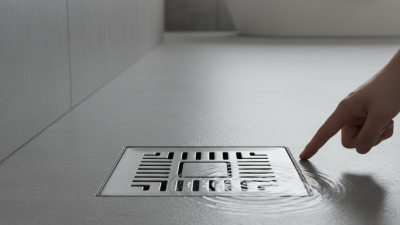
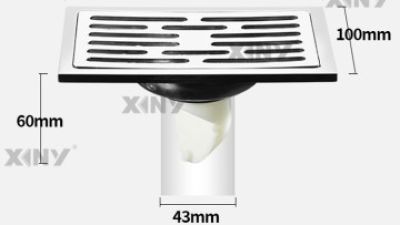
A 4 x 6-inch stainless steel rectangular shower drain offers a practical balance of durability, hygiene, and modern design. The United States Environmental Protection Agency reports that showering accounts for nearly 17% of residential indoor water use, with an average family using almost 40 gallons each day. Because the shower area is exposed to frequent water flow, a dependable drain is essential. This factory-made model features a polished stainless steel surface with a refined mirror finish, helping it complement contemporary bathroom interiors while providing a strong, corrosion-resistant drainage solution.
Maintenance is simplified by the integrated plastic filter core and grid screen, which help capture hair, soap residue, and other debris before they enter the plumbing system. The removable components can be cleaned regularly to support smoother water flow and better bathroom hygiene. The EPA also estimates that household leaks can waste nearly 10,000 gallons of water annually, highlighting the importance of well-maintained plumbing fixtures and drainage systems. With its rectangular 4 x 6-inch configuration, efficient debris filtration, and easy-clean structure, this shower drain is designed for reliable everyday performance in residential and commercial bathrooms.
Mark the basement’s lowest point after checking concrete thickness and nearby utilities. Water should naturally move toward the grate.
Confirm local plumbing requirements, including traps, vents, backwater protection, and approved discharge connections. Do not drain water randomly into soil.
Dig enough space for the drain body, pipe, gravel base, and concrete cover. Keep the grate slightly below the finished floor.
Use a level to check a gentle slope from every direction. Visual judgment can fail. I learned that after finding standing water.
Place clean gravel beneath the drain to limit movement. Use compatible fittings and maintain a steady fall toward the outlet.
Seal pipe joints carefully, then install a waterproof membrane around the opening. Pour concrete in layers and protect the grate while curing.
Pour several buckets of clean water into the grate. Watch for slow flow, leaks, gurgling, or water returning through the opening.
Inspect it monthly for hair, sediment, paint debris, and odors. A small brush and warm water often remove buildup early.
The trap seal may be dry, damaged, or poorly designed. Add clean water and inspect the trap before considering other repairs.
Choose corrosion-resistant parts, a firmly seated flush grate, and accessible maintenance areas. Damp basements punish rushed decisions.
Choosing the right Basement Floor Drain is essential for protecting lower-level spaces from flooding, moisture damage, and unpleasant odors. This guide explains what global buyers should consider before making a selection, including basement layout, water volume, installation conditions, and local drainage requirements. It reviews key drain types for residential, commercial, utility, and high-moisture applications, while comparing ten practical options according to design, durability, flow capacity, ease of cleaning, and overall value.
The guide also highlights important factors such as stainless steel, cast metal, and heavy-duty polymer materials, along with suitable drain sizes, grates, traps, backflow protection, and odor-control features. Clear installation steps cover floor preparation, correct positioning, pipe connections, sealing, and testing. Finally, it provides advice on routine maintenance, debris removal, safe inspection, corrosion prevention, and long-term performance, helping buyers choose and maintain a reliable Basement Floor Drain for different environments.