Leave Your Message
0%

These days, global buyers aren’t picking a Floor Drain just because it looks nice. They’re digging into drainage speed, odor control, how easy it is to clean, material strength, and whether it fits the installation. A shiny surface doesn’t mean much if hair keeps building up under the grate.

Richard Trethewey, plumbing expert and longtime host of This Old House, has said it more than once: “Water always takes the path of least resistance.” That simple idea still holds up when you’re looking at modern drainage systems. Get the slope wrong, and water can hang around a shower threshold—even if the floor drain looks high-end.

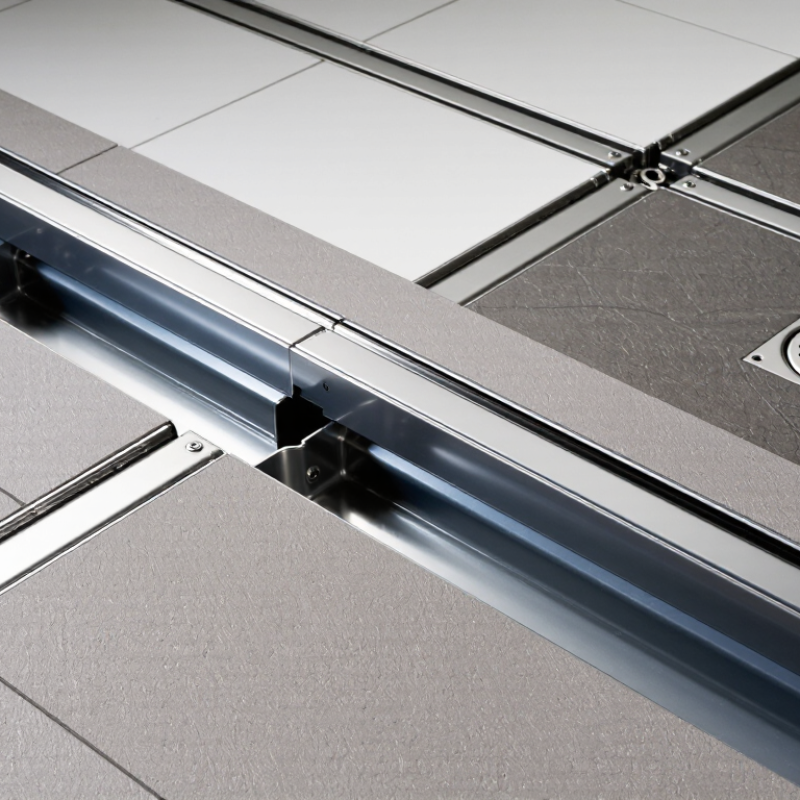
This guide looks at the 2026 floor drain types getting attention in residential, hospitality, commercial, and light industrial projects. Stainless steel Linear Drains are still a go-to because they help create clean bathroom lines and give tile layouts more flexibility. TheLong Stainless Steel Floor Drain Shower Drain is especially handy for wide showers, where a longer channel can catch water more evenly. Point drains? They still have a place. They can make replacement work simpler and work well in compact bathrooms.

That said, no single model wins everywhere. That idea falls apart on uneven floors, heavy-use sites, or jobs with limited maintenance access. Buyers should check grate load ratings, trap depth, hair resistance, weld quality, surface treatment, and whether replacement parts are easy to get. Brands like Infinity Drain, Oatey, and McAlpine each show a different approach to design and installation support.

Real project experience has a way of exposing the little stuff, too. A drain might flow fine but be a pain to clean. Another might look great but demand very precise waterproofing. The smart choice comes down to the whole drainage assembly, not one photo. Local installation standards still need to guide the final call. And honestly, even the best floor drain needs the right slope, proper sealing, and regular maintenance.
What Are the 2026 Top Floor Drain Types for Global Buyers?

What Is a Floor Drain and Why Does Its Type Matter?

A floor drain is a plumbing outlet installed below floor level. It collects wastewater from bathrooms, balconies, utility rooms, and plant areas. A removable grate covers the opening, while a trap helps block sewer gases and insects. Its type matters because drainage volume, cleaning needs, floor structure, and odor control vary by project.

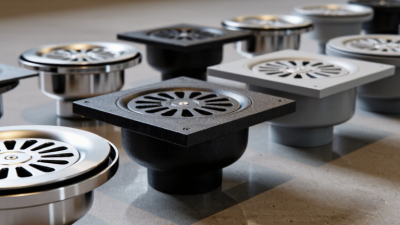
For 2026 purchasing, global buyers commonly compare point drains, linear drains, tile-insert drains, and deep-seal anti-odor models. Point drains suit compact bathrooms and need accurate floor slopes. Linear drains accept wider water flow and work well with large-format tiles. Tile-insert designs create a quieter visual surface, but cleaning can take longer. Stainless steel offers corrosion resistance, while reinforced polymer can reduce cost and handling weight.

Utility rooms require careful planning. A Washing Machine Drain To Floor Drain connection should handle sudden discharge without splashing or backflow. Check the drain’s flow capacity, trap depth, grate load rating, and access for maintenance. The finished floor should slope evenly toward the outlet; small errors can leave gray water in corners. I have seen attractive drains fail because the trap was shallow or the grate clogged with lint. Product sheets help, but site conditions matter more than catalog images. Local plumbing requirements should be verified before installation, especially for commercial or high-use buildings. No drain fits every project.

How Are Floor Drains Classified by Design, Function, and Installation?

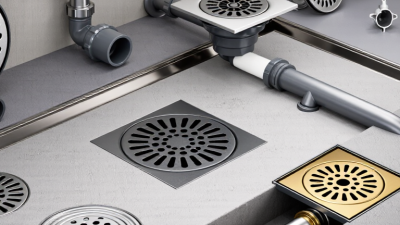
In 2026, global buyers are comparing floor drains by design, function, and installation method. The classification matters more than appearance alone. A point drain has a compact square or round grate, usually placed near the lowest floor area. A linear drain uses a long channel beside a wall or shower entrance, supporting larger tiles and cleaner water flow. Tile-insert models hide the grate beneath matching surface material. They look refined, but cleaning can take longer.

Function creates another practical division. Standard drains remove daily wash water from bathrooms, balconies, and utility rooms. Anti-odor drains use water seals or mechanical membranes to reduce unpleasant smells. High-flow drains suit commercial wash areas where water arrives quickly. Some models include removable baskets for hair and debris. Small details matter. I have seen poor maintenance defeat a well-designed drain.

Installation affects performance and service life. Floor-level models connect with horizontal piping, while adjustable-height drains help installers match changing floor thicknesses. Waterproofing must rise carefully around the drain body, especially under stone or ceramic tiles. For renovation projects, shallow models can solve limited floor-depth problems. The phrase Floor Drain Modern Drain may describe a contemporary product category, but buyers should verify outlet size, material grade, grate load rating, and cleaning access. Product sheets are useful, yet site measurements remain decisive. A drain can look perfect in a catalog and still fit badly on site.

2026 Floor Drain Types for Global Buyers

The chart compares representative nominal outlet diameters commonly used across major floor drain categories. Point drains and linear Shower Drains are typical for bathrooms, trench and channel drains are suited to commercial or industrial areas, while balcony and roof drains support outdoor drainage. Actual sizing depends on local plumbing codes, flow requirements, and installation conditions.

Which Floor Drain Types Are Leading Global Markets in 2026?

In 2026, global buyers are favoring floor drains that combine fast drainage, easy cleaning, and reliable sealing. Linear shower drains lead many residential and hospitality markets. They suit large-format tiles and barrier-free bathroom layouts. Point drains remain popular in renovation projects. They work well when existing floor slopes cannot be rebuilt easily. Compact stainless-steel models also perform strongly in dense urban developments. They fit tight spaces.

Commercial buyers increasingly specify channel drains for public showers, kitchens, balconies, and plant rooms. Their longer inlets manage concentrated water flow, while removable grates simplify inspection. Anti-odor designs are gaining attention in warm climates and low-use rooms. Material choice matters. Stainless steel resists corrosion, while cast iron handles heavier traffic and impact. However, the drain type alone cannot guarantee performance. I have seen good products fail when installers ignored floor slope, membrane bonding, or access clearance.

Global specifications now examine flow rate, grate loading, seal depth, cleaning access, and regional testing requirements. European projects often prioritize discreet finishes and accessibility details. Tropical developments may focus more on odor control, sediment removal, and rapid drying. Colder regions may need stronger body connections and freeze resistance. These patterns are useful, but not absolute. A fashionable linear drain may suit a new hotel yet fail in a small retrofit. Buyers should test samples with the actual tile, waterproofing layer, and wastewater volume before approval. That step feels slower. It prevents rework.

What Materials and Surface Treatments Define Modern Floor Drains?

Modern floor drains in 2026 rely on materials that balance hygiene, strength, and installation conditions. Grade 304 stainless steel suits most indoor bathrooms and commercial areas. Grade 316 performs better near saltwater, pool chemicals, and high humidity. Brass offers useful strength, but its coating quality deserves close inspection. Polymer concrete can reduce corrosion concerns in demanding industrial spaces. Material selection should follow water chemistry, traffic levels, and cleaning routines.

Surface treatment strongly affects service life and daily appearance. Brushed stainless steel hides fingerprints and small scratches better than mirror polishing. Passivation removes surface contaminants and supports corrosion resistance after fabrication. PVD coatings can create dark, gold, or bronze finishes with good wear resistance when properly applied. Electroplating may look attractive, yet poor preparation can cause peeling around the grate edges. That failure appears sooner than expected.

I have seen drains fail because buyers checked color but ignored drainage testing. A smooth, polished surface is not automatically safer. Wet floors still need suitable slip control around the grate. Anti-fingerprint treatments reduce maintenance, though they may weaken after aggressive cleaning. One detail is easy to overlook. Ask for coating thickness records, salt-spray data, load testing, and drainage-flow results. Inspect welds, corners, and the connection between the grate and frame. These small checks often reveal more than a showroom sample.

What Are the 2026 Top Floor Drain Types for Global Buyers? - What Materials and Surface Treatments Define Modern Floor Drains?
Floor Drain Type Typical Drainage Structure Common Materials Surface Treatments and Finishes Recommended Applications Key Purchasing Considerations Relevant Performance Factors
Linear Floor Drain Long, narrow channel with a removable grate; usually installed along a wall or at the entrance of a wet area. Stainless steel ABS PP Cast iron Brushed stainless steel, electropolished stainless steel, powder coating, or tile-insert cover. Walk-in showers, barrier-free bathrooms, hotel bathrooms, balconies, and commercial wet rooms. Channel length, outlet position, installation depth, waterproofing connection, grate load rating, and cleaning access. Drainage capacity depends on outlet size, channel geometry, grate opening area, and the hydraulic design of the connected pipework.
Point Floor Drain Compact square or round grate positioned at a single drainage point. Stainless steel Brass ABS PP Brushed, polished, satin, matte black, electroplated, or powder-coated finishes. Residential bathrooms, utility rooms, kitchens, laundry areas, and small wet zones. Grate dimensions, trap compatibility, outlet diameter, installation depth, odor protection, and tile alignment. Generally simple to install and maintain; correct floor slope toward the drain is essential for effective surface drainage.
Tile-Inset Floor Drain Recessed tray or cover designed to receive the surrounding floor tile for a low-visibility appearance. 304 stainless steel 316 stainless steel Aluminum Polymer body Brushed or satin metal frame with a tile-compatible recessed panel; some models use protective passivation. Contemporary bathrooms, hospitality projects, accessible showers, and minimalist interior designs. Tile thickness, tray load capacity, frame rigidity, waterproofing flange, removable insert, and cleaning convenience. Provides visual continuity with the floor, but the tile insert must be correctly supported and installed to avoid cracking or movement.
Anti-Odor Floor Drain Drain body incorporating a water seal, membrane seal, mechanical seal, or a combination of odor-control features. Stainless steel Brass PP ABS Silicone components Brushed or polished metal grate, with corrosion-resistant internal sealing components. Bathrooms, kitchens, basements, apartments, hotels, and areas where sewer-gas control is important. Seal type, minimum water depth for water traps, removable parts, debris resistance, and compatibility with local plumbing systems. A water trap can lose its protective seal through evaporation; mechanical or membrane seals may help reduce odor transmission when properly maintained.
High-Flow Floor Drain Larger body and outlet designed to handle substantial volumes of surface water. Ductile iron Cast iron Stainless steel Polymer concrete Epoxy coating, powder coating, galvanized protection, passivation, or factory-applied corrosion-resistant treatment. Plant rooms, commercial kitchens, industrial facilities, loading areas, public washrooms, and large wet rooms. Hydraulic capacity, outlet diameter, sediment basket, access for maintenance, grate strength, and connection to the drainage network. Actual flow performance should be verified using the supplier's test data and the applicable installation configuration rather than grate size alone.
Heavy-Duty Floor Drain Reinforced drain body and load-bearing grate intended for areas exposed to pedestrian or vehicle traffic. Ductile iron Cast iron 304 stainless steel 316 stainless steel Powder coating, epoxy coating, hot-dip galvanizing, passivation, or electropolishing, depending on the base metal. Garages, warehouses, factories, public facilities, service corridors, and commercial kitchens. Verified load class, grate deflection, corrosion exposure, anchoring method, outlet configuration, and access for cleaning. Load classification should be selected according to actual traffic conditions and the relevant regional standard or project specification.
Balcony and Terrace Drain Drainage outlet with a grate, leaf guard, or low-profile body designed for exposed outdoor surfaces. Stainless steel Aluminum PVC PP Powder coating, anodizing for aluminum, brushed stainless steel, passivation, and UV-resistant polymer components. Balconies, terraces, roof decks, external walkways, and podium landscaping areas. Weather exposure, waterproofing flange, leaf and debris management, freeze-thaw conditions, outlet direction, and overflow planning. Outdoor drainage design should account for rainfall intensity, surface area, local climate, and the risk of blocked outlets.
Cleanout Floor Drain Drain body with an accessible cover or removable component for inspection and pipe maintenance. Cast iron Ductile iron Stainless steel Brass Epoxy coating, powder coating, galvanized finish, passivation, or polished metal finish. Commercial buildings, industrial areas, basements, plant rooms, and drainage systems requiring routine servicing. Access opening, cover security, load rating, gasket condition, tool requirements, and compatibility with pipe-cleaning equipment. Maintenance access can reduce service time, but the cover must remain secure, properly sealed, and suitable for the surrounding traffic conditions.
Trench Drain Extended drainage channel, often assembled in modular sections with a continuous grate or cover system. Polymer concrete Polypropylene Stainless steel Ductile iron Stainless steel grate finish, galvanized steel, powder coating, or corrosion-resistant polymer surfaces. Driveways, loading docks, public spaces, commercial kitchens, swimming-pool surrounds, and industrial floors. Channel depth, grate load class, hydraulic outlet arrangement, modular connections, sediment access, and installation tolerance. Channel drainage is effective for collecting water over long edges, but the system requires correct falls, joints, and outlet sizing.
Smart or Sensor-Activated Drain Drainage assembly combined with a sensor, electronic valve, monitoring feature, or automated flushing function. Stainless steel Engineering plastics Brass Silicone seals Brushed or satin stainless steel, antimicrobial-compatible coatings where specified, and sealed electronic housings. Healthcare facilities, premium commercial buildings, high-traffic washrooms, and projects requiring enhanced monitoring. Power source, IP protection, sensor reliability, manual override, battery maintenance, cleaning chemicals, and local electrical requirements. Electronic features do not replace correct slope, waterproofing, trap design, or routine removal of hair and debris.
Buyer guidance: Final selection should be based on project flow requirements, installation geometry, expected loading, chemical exposure, local plumbing regulations, waterproofing details, and verified product test documentation.

How Should Buyers Compare Drainage Capacity, Safety, and Maintenance?

In 2026, global buyers are comparing linear, point, and trench floor drains by performance, not appearance alone. A linear drain suits large-format tiles and supports smoother water flow toward one channel. Point drains can cost less, but they demand accurate floor slopes. Trench drains handle wider wet areas, although cleaning them may take longer. No drain wins everywhere.

Drainage capacity should match shower flow, not just pipe size. During site checks, measure outlet diameter, grate opening, and water discharge per minute. A low-profile drain may look neat, yet it can struggle during heavy rainfall or commercial use. Buyers should request tested flow data under realistic conditions.

I have seen attractive grates slow water because hair collected beneath them.

Safety includes slip resistance, stable grates, rounded edges, and reliable odor traps. Stainless steel resists corrosion, but material grade and welding quality still matter near salty air. An OEM Long Stainless Steel Floor Drain Shower Drain should include a removable grate and accessible trap components. Check whether the load rating suits bathrooms, hotels, or public facilities. A loose cover is a small defect with serious consequences.

Maintenance often decides long-term value. Choose designs with tool-free access, visible hair baskets, and smooth internal surfaces. Inspect seals for replacement availability in the target market. Installation instructions should show slope requirements clearly. Some buyers overlook cleaning time. That mistake becomes expensive. Local plumbing rules and testing methods also differ, so technical documents need careful review before purchase.

What Standards and Project Conditions Guide International Selection?

Selecting the right floor drain in 2026 depends more on project conditions than appearance. International buyers should check local plumbing codes, product test reports, and installation requirements before comparing finishes. EN 1253, ASME-related requirements, and regional building rules may differ in flow testing, trap design, and load classification. Always confirm the applicable standard with the project engineer.

A hotel bathroom needs reliable odor control, easy cleaning, and drainage that handles repeated use. A coastal property may require stainless steel with suitable corrosion resistance, accurate welding, and a surface that tolerates salt exposure.

Industrial areas demand stronger grates, chemical-resistant seals, and verified load capacity. For accessible bathrooms, the drain opening should align with waterproofing details and avoid unsafe edges. Small height errors can leave water beside the wall.

Custom Long Stainless Steel Floor Drain Shower Drain solutions can suit unusual tile layouts, narrow shower channels, or high-flow wet rooms. Yet customization is not automatically better. It may complicate replacement parts, testing, and installation tolerance. Drain body depth, outlet position, tile thickness, and floor slope must be confirmed together. Site teams should inspect the membrane connection and perform a water test before final tiling. Some specifications still overlook cleaning access. That mistake becomes expensive later. Reliable sourcing includes dimensional drawings, material certificates, flow data, and clear maintenance instructions.

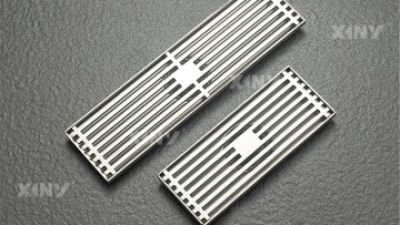
Stainless Steel Floor Drain XY004-Long: Matte Black & Grey Design and Factory-Direct Quality

The XY004-Long Stainless Steel Floor Drain brings a refined combination of practical performance and contemporary style to modern bathrooms, kitchens, balconies, and utility areas. Its elongated design helps create a clean, streamlined appearance, while the matte black and grey finish adds a sophisticated visual accent that complements a wide range of interior colors and materials. Carefully crafted from durable stainless steel, it is designed to withstand regular moisture exposure and everyday use while maintaining a neat, polished look.

Produced in a professional factory in China, this floor drain reflects consistent manufacturing standards and reliable quality control. Its smooth surface is easy to maintain, and the sturdy construction supports efficient drainage in residential and commercial environments. The XY004-Long model is suitable for projects seeking a balance of durability, functionality, and modern design, offering a practical drainage solution that blends naturally with contemporary décor. Direct factory supply also helps provide dependable product consistency for contractors, distributors, and property development projects.

FAQS

What are the main floor drain designs?

Point drains use compact square or round grates near the lowest floor area. Linear drains use long channels beside walls or shower entrances. Tile-insert drains hide beneath matching tiles. They look refined. Cleaning may take longer.

Which drain design suits large-format tiles?

Linear drains usually suit large-format tiles better. They guide water toward one channel. Point drains need more accurate floor slopes. No design wins everywhere.

How should buyers match drainage capacity?

Match capacity with actual water flow, not pipe size alone. Check outlet diameter and discharge per minute. Review tested flow data under realistic conditions. Hair can slow an attractive grate.

What features improve odor control?

Water seals and mechanical membranes can reduce unpleasant smells. Choose accessible trap components. Confirm replacement seal availability locally. Odor control still depends on maintenance.

What should buyers inspect for safety?

Check slip resistance, stable grates, rounded edges, and suitable load ratings. A loose cover can cause a serious accident. Grate openings should suit the room and users.

How does installation affect drain performance?

Confirm floor depth, outlet position, tile thickness, and required slope together. Waterproofing must connect carefully around the drain body. Adjustable-height models help with changing floor thicknesses. Site measurements matter more than catalog appearance.

Which materials suit demanding environments?

Stainless steel can resist corrosion, but grade and welding quality still matter. Coastal areas need stronger corrosion protection. Industrial areas may require chemical-resistant seals and stronger grates. Material choice alone is not enough.

Are customized drains always the better choice?

Custom dimensions can suit narrow channels or unusual tile layouts. They may complicate replacement parts and installation tolerance. Ask for drawings, flow data, and maintenance instructions. Customization is useful, not automatically better.

How can buyers simplify future maintenance?

Choose removable grates, tool-free access, visible hair baskets, and smooth internal surfaces. Check cleaning time before purchase. Perform a water test before final tiling. Some specifications still overlook access.

Conclusion

In 2026, the Floor Drain is more than a basic outlet for removing wastewater; it is an essential component of hygiene, safety, and building performance. Different types are selected according to design, drainage function, installation method, and project environment. Common global choices include point drains, linear drains, trench drains, adjustable drains, and specialized models for bathrooms, kitchens, commercial spaces, and industrial areas. Each design offers different advantages in water flow, appearance, installation flexibility, and accessibility.

Modern buyers should also evaluate materials, corrosion resistance, surface treatments, load capacity, odor control, anti-slip features, and ease of cleaning. Drainage speed and blockage prevention are especially important in high-use locations. International selection should consider local plumbing requirements, building codes, climate, floor structure, waterproofing methods, and maintenance practices. By comparing performance, durability, safety, appearance, and compliance together, global buyers can choose a reliable drainage solution suited to both current needs and long-term project conditions.
Sophia

Sophia

Sophia is a dedicated marketing professional at Chaozhou Xinxin Technology Co., Ltd., where she plays a crucial role in promoting the company's innovative products and services. With her extensive knowledge of the technology industry, she consistently updates our company's professional blog,......
Previous 2026 Best Basement Floor Drain Types for Global Buyers