Leave Your Message
0%

Hey there! Looking ahead to 2026, buyers aren’t just on the hunt for a cheap drain component anymore. What they really need is something they can trust—reliable protection against insects, odors, backflow issues, and tricky cleaning situations. You know, the Anti Insect Floor Trap has quickly become a must-have, especially in busy places like commercial kitchens, food processing areas, hotels, hospitals, and industrial washrooms. Small design tweaks can make a big difference when it comes to hygiene, how long things stay maintained, and your overall costs over time.

This guide dives into the most popular types of Anti Insect Floor Traps—think water-seal, dry-seal, magnetic, stainless steel, and removable basket styles. Each kind has its own perks and challenges, especially when dealing with heat, lots of foot traffic, grease, dust, or uneven drainage. For example, a trap that performs perfectly in a clean hotel bathroom might not cut it in a bustling processing plant. So, fitting the right one is key. Before you start comparing prices, make sure to check outlet size, water flow needs, material quality, how easy it is to clean, and how deep they need to be installed. Good manufacturers will also provide detailed drawings, test reports, info on materials, and clear instructions for maintenance. And it’s never a bad idea to get independent inspections, particularly for big international orders—boosts confidence, you know?

But here’s the thing—no one trap is perfect for every market. Local building codes, plumbing practices, climate, and pest threats can all influence what’ll work best. Also, don’t fall for product descriptions that sound too good to be true. It’s worth doing some due diligence. Ask for samples, take a good look at the sealing surfaces, and test drainage under conditions that mimic real-world use. At the end of the day, making a smart choice means balancing hygiene, durability, ease of replacement, and total costs. This overview for 2026 is a solid starting point, but remember—real-world conditions can reveal issues that brochures and catalog photos just can’t show. Paying attention and making informed decisions early on can save you a lot of headaches and money down the line.
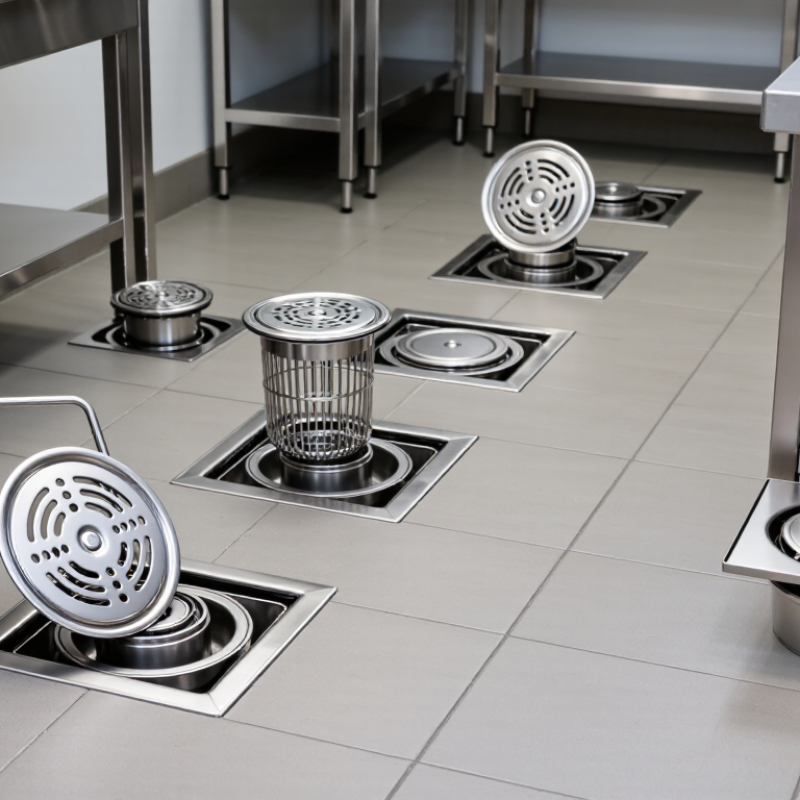
2026 Top Anti Insect Floor Trap Types for Global Buyers

What Anti-Insect Floor Traps Are and How They Work

Anti-Insect Floor Traps are low-profile devices designed to monitor or capture crawling insects near floors, walls, and entry points. They commonly use adhesive surfaces, textured channels, or enclosed mechanical chambers. Their shallow shape fits beneath shelves, cabinets, and equipment.

The trap works by guiding insects through a narrow opening. A crawling insect follows edges, odors, warmth, or food traces. Inside, it may become stuck on a replaceable adhesive panel or remain contained in a closed chamber. Clear inspection areas help workers identify activity without touching the captured insects.

Placement matters greatly. One trap beside a doorway may reveal more than several units placed randomly. In commercial facilities, technicians often map results by date and location. This creates useful evidence for cleaning, sealing, and maintenance decisions.

Still, no trap solves every problem. Dust can weaken adhesive, and heavy moisture may reduce performance. Real conditions are less perfect than product diagrams.

Tips: Place traps along walls, under sinks, and near storage corners. Avoid blocking them with cartons or cleaning tools. Check them regularly and record insect counts. Replace damaged units promptly. For custom dimensions or packaging, an OEM Anti Insect Floor Trap may suit specific site requirements. Test a small area first. Safety labels and local requirements should guide installation and disposal.

Key Types of Floor Traps for Different Insect Species

Choosing the right floor trap depends on the insect, its movement, and the room’s conditions. For crawling cockroaches, glue-board traps with dark shelters work well along walls, under sinks, and beside warm appliances. Ants respond better to enclosed bait stations placed near visible trails. These traps reduce contact with the surrounding floor and help monitor colony activity.

For silverfish, choose low-profile adhesive traps near bathrooms, storage boxes, and damp corners. Flea traps usually combine a light source with a sticky surface, attracting adults across short distances. Fruit fly traps are different. They need a small liquid lure and should sit near bins, drains, or ripening fruit. A Custom Anti Insect Floor Trap can combine safer materials, varied entry heights, and species-specific monitoring zones. However, one design rarely performs equally well in every building.

Tips: Clean food residue before placing traps. Keep traps flat and visible. Record insect numbers weekly. Replace dusty or wet glue boards. Follow local safety guidance, especially around children and pets. Test one area first. Results can vary. Humidity, cleaning routines, and insect resistance may change performance, so regular inspection remains essential.

How Trap Design Affects Capture Performance and Safety

For global buyers, a floor trap’s design often matters more than its advertised capture count. Low-profile sticky traps fit beneath shelving and along wall edges, where crawling insects naturally travel. Enclosed mechanical traps reduce accidental contact with glue, bait, or sharp components. Light-assisted units can attract flying insects, but poor shielding may scatter fragments when insects strike internal surfaces.

WHO reports that vector-borne diseases represent more than 17% of infectious diseases and cause over 700,000 deaths annually. This makes safe monitoring important, even when a trap targets common household pests. A 2023 FAO and WHO pesticide-management framework also emphasizes exposure control and clear handling instructions. Buyers should check sealed bait compartments, rounded corners, non-slip bases, and readable disposal guidance. Small details matter.

A practical Wholesale Anti Insect Floor Trap should show its capture mechanism clearly. A shallow entrance can improve access for cockroaches, while a deep chamber helps prevent escape. Adhesive strength must remain stable in humid storage conditions. Still, stronger glue is not always better. It may trap dust, small animals, or workers’ gloves. I have seen placement errors reduce performance more than product quality. Traps hidden behind doors often collect nothing. Field testing should record catch numbers, temperature, dust levels, and inspection time. One overlooked weakness remains: many designs suit clean warehouses, not busy kitchens or uneven concrete floors.

2026 Top Anti-Insect Floor Trap Types for Global Buyers

How trap design affects capture performance, safety, hygiene, maintenance, and energy efficiency. Scores use a 1–5 engineering benchmark based on enclosed construction, attractant method, exposed capture surfaces, cleaning requirements, and power demand; they are not brand-specific field results.

Higher scores indicate a more favorable design characteristic. Capture performance varies with insect species, placement, airflow, sanitation, lure selection, and replacement frequency.

Materials, Power Options, and Installation Requirements

For global buyers, an anti-insect floor trap should match the pest, room, and cleaning routine. Stainless steel resists corrosion near wash areas, while ABS plastic reduces weight and cost. UV-resistant polycarbonate suits bright commercial spaces. Adhesive boards need low-odor glue and stable liners. They can fail when dust covers the surface. That detail is often missed.

Power choice affects both placement and maintenance. Non-powered glue traps suit corridors, storage rooms, and temporary monitoring. Battery models work where wiring is difficult, but buyers should check battery life and disposal rules. UV LED traps usually consume less electricity than fluorescent tubes. The International Energy Agency reports that LED lighting can use about 75% less energy than traditional lighting, although trap performance depends on coverage and insect behavior. Electrical units should match local voltage, plug standards, and ingress protection needs.

Installation must leave clear access for inspection and board replacement. Keep traps away from doors, steam, strong airflow, and direct sunlight. In food facilities, the U.S. Environmental Protection Agency’s Integrated Pest Management principles support monitoring before chemical intervention. The 2024 Global Pest Management Market analysis by Grand View Research estimates continued market growth, increasing demand for documented inspection records. Buyers should request test reports, material declarations, and cleaning instructions. I would not assume a higher wattage means better capture. Sometimes it only creates more heat, noise, and maintenance. Floor clearance also matters; uneven surfaces can reduce adhesive contact and invite dirt.

How to Compare Trap Efficiency, Maintenance, and Operating Costs

Anti Insect Floor Trap Manufacturer options differ in capture method, service needs, and long-term cost.

Glue-board traps are quiet and inexpensive, but dust and moisture can reduce their holding power. UV light traps may cover larger indoor areas, though their lamps consume electricity and need scheduled replacement. Physical monitoring traps provide useful activity data, but they may not control a heavy infestation alone.

Compare efficiency through measured results, not impressive claims. Place identical traps near doors, drains, and wall edges for seven days. Record captures, empty checks, and visible insect activity.

A useful trap should remain stable on the floor and allow quick inspection. Maintenance includes replacing boards, cleaning surfaces, checking power cords, and disposing of captured insects safely. Labor can cost more than the trap itself.

Tips:

Calculate total operating cost for twelve months. Include electricity, replacement parts, cleaning time, and staff visits. Ask suppliers for test conditions, service intervals, and material specifications. A low purchase price can become expensive in humid warehouses.

My field experience suggests that trap performance changes sharply with placement. This is easy to underestimate. Recheck results after seasonal changes, because one week of data may not represent actual yearly performance. Practical buyers should also confirm that materials and disposal procedures meet local requirements.

Global Compliance, Environmental Standards, and Buyer Considerations

2026 Top Anti Insect Floor Trap Types for Global Buyers

Global buyers should evaluate floor traps by function, construction, and destination-market rules. Common options include glue-board traps, UV light traps, mechanical capture units, and enclosed monitoring stations. Each type creates different compliance responsibilities. Electrical models may require safety and electromagnetic compatibility testing. Products containing attractants, adhesives, or treated materials may need chemical declarations and safety documentation.

Check restrictions under frameworks such as RoHS, REACH, CE, UKCA, and WEEE where applicable. Requirements differ by country, product structure, and sales channel.

A compliance file should include test reports, material composition, technical drawings, labeling, and disposal instructions.

Do not rely only on a supplier’s declaration. Verify the issuing laboratory and test standard.

Environmental performance also affects purchasing decisions. Prefer durable housings, replaceable capture sheets, low-energy components, and recyclable packaging. Avoid unnecessary mixed materials, especially bonded plastic and metal parts.

Clear disposal guidance matters when traps collect insects or contain adhesive residue. A buyer should inspect samples under heat, humidity, and heavy foot traffic.

Weak lids, warped bases, and loose cables often appear after repeated handling. Small details matter.

No checklist is perfect. Some “eco” claims remain vague without measurable data. Ask for recycled-content percentages, energy consumption, and end-of-life instructions.

Local waste rules may still limit recycling. In practical evaluations, ease of cleaning and safe placement often matter more than appearance.

A lower-cost trap can become expensive when replacement parts, testing, and returns are overlooked.

How to Choose a China Stainless Steel Floor Drain Supplier for 4-Inch Square Shower Drains

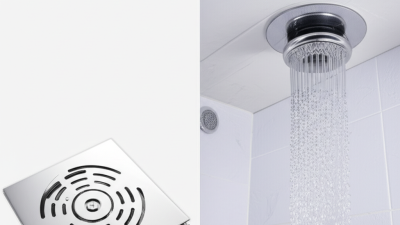
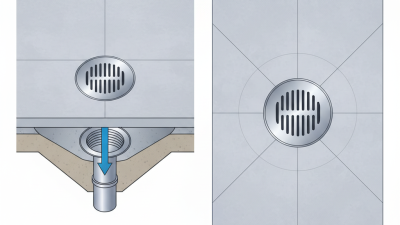
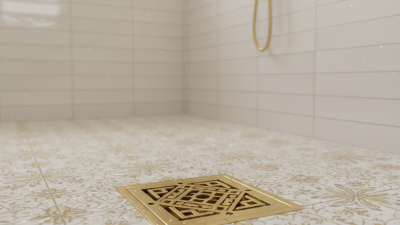
When choosing a China stainless steel floor drain supplier for a 4-inch Square Shower Drain, evaluate material quality, manufacturing consistency, and product versatility. The XY701 square shower drain is made from durable stainless steel and designed to combine reliable performance with a modern appearance. Its square cover is available in 10x10 cm, a size suited to many 4-inch shower configurations, while round cover options are offered in 10x10 cm, 12x12 cm, and 15x15 cm. Before placing an order, confirm the actual dimensions, drainage connection, surface finish, and compatibility with your installation system.

A dependable supplier should provide clear product specifications, stable production capacity, strict quality inspection, and secure export packaging. It is also helpful to select a factory that can offer different styles, colors, and cover shapes for residential, hotel, and commercial bathroom projects. Ask about sample availability, minimum order quantities, lead times, customization services, and after-sales support. A supplier with direct factory production can usually communicate technical details more efficiently and maintain better control over stainless steel quality, finishing, and dimensional accuracy.

FAQS

What is an anti-insect floor trap?

It is a shallow device for monitoring or capturing crawling insects near floors and walls. It may use adhesive panels, textured channels, or enclosed chambers. Many models fit beneath shelves, cabinets, and equipment.

How does a floor trap capture insects?

A narrow entrance guides insects inside. They may follow wall edges, odors, warmth, or food traces. An adhesive panel holds them, while a closed chamber prevents escape. Not always perfectly.

Where should floor traps be placed?

Place them beside doorways, along walls, under sinks, and near storage corners. Avoid cartons, tools, and other objects that block the entrance. One well-positioned trap can outperform several random placements.

How often should floor traps be inspected?

Check traps regularly and record counts, dates, and locations. Clear inspection areas make checking easier. A simple floor map can reveal repeated activity near one doorway or cabinet.

Can dust and moisture affect trap performance?

Yes. Dust can weaken adhesive surfaces. Heavy moisture may reduce performance or damage the trap. Real facilities are messier than product diagrams.

Are enclosed traps safer for workers?

Enclosed designs reduce direct contact with glue, bait, or sharp components. Choose rounded corners, stable bases, and clear disposal instructions. Safety still depends on correct placement and handling.

Is stronger adhesive always better?

No. Very strong adhesive may collect dust, gloves, or small non-target animals. Performance depends on the site, temperature, humidity, and cleaning conditions. This detail is easy to overlook.

What should buyers test before wider installation?

Test a small area before installing many units. Record insect counts, dust levels, temperature, and inspection times. Busy kitchens and uneven concrete floors may need different designs than clean warehouses. Field results can challenge expectations.

Conclusion

An Anti Insect Floor Trap is a practical pest-management device designed to attract, capture, or monitor crawling and flying insects near floors, entrances, storage areas, and other high-risk zones. Different models may use adhesive surfaces, mechanical entry paths, light-based attraction, pheromone-style lures, or enclosed electric mechanisms, depending on the target species. Trap size, opening structure, lure placement, airflow, visibility, and containment design all influence capture performance, user safety, and resistance to accidental contact.

Global buyers should compare traps by target insect, capture rate, service life, cleaning needs, replacement frequency, energy consumption, and total operating cost. Materials should be durable, corrosion-resistant, and suitable for the intended environment, while power options may include batteries, low-voltage systems, or standard electrical connections. Installation requirements should support stable placement, easy inspection, and minimal disruption. Buyers should also review applicable safety, labeling, waste-handling, environmental, and import requirements in each destination market, selecting solutions that balance effectiveness, maintenance efficiency, sustainability, and responsible use.
Amelia

Amelia

Amelia is a dedicated marketing professional at Chaozhou Xinxin Technology Co., Ltd., where she plays a pivotal role in driving the company's branding and outreach efforts. With a deep understanding of the technology sector, she excels in crafting strategic marketing campaigns that effectively......
Previous How to Choose a Shower Grate Floor Drain in 2026?