Leave Your Message
- E-mail
- Whatsapp
- Whatsapp

- Wechat

Picking the right Basement Floor Drain might seem like a small detail, but trust me, it really matters—especially for folks around the world who want to make smart choices. It’s not just about how it looks; it impacts water control, hygiene, how easy it is to keep clean, and even the costs you’ll face down the line for repairs or upgrades. At first glance, a drain looks pretty simple, right? But its actual performance depends on so many things—like flow rate, the design of the grate, trap depth, pipe size, and even the specific conditions where you're installing it.
There's actually a good amount of industry advice out there for those of us trying to make the best call. Take the International Plumbing Code from the ICC, for example—it's got guidelines on everything from drainage and trap protection to how to properly install a floor drain. Then there’s ASPE’s Plumbing Engineering Design Handbook, which highlights important stuff like hydraulic capacity, how easy it is to clean, and how accessible things are for repairs. And don’t forget the U.S. EPA WaterSense materials report—did you know household leaks waste almost a trillion gallons of water every year in the US? Now, while a basement drain can’t stop every leak, it definitely helps minimize the damage if water suddenly sneaks in.
In this guide for 2026, we're comparing different drainage types—linear, point, trench, and ones with backwater protection—for various markets. We also look at different materials like stainless steel, cast iron, polymer, and brass. If you're dealing with wet rooms, you’ll want a basement shower drain that features a proper slope and a removable hair strainer—that’s key. For utility basements, larger grates and reliable trap primers might be more important. And if you’re from Europe, it’s good to keep EN 1253 in mind; North American projects usually follow ASME A112.6.3 and local codes. But let’s be real—standards alone aren’t enough to make the decision easy. They’re just a solid starting point. Also, watch out—product brochures can sometimes hide flaws. Some claims about drainage products need independent testing because attractive photos can be misleading. Things like condensation, groundwater, poor sealing, or just neglecting cleaning can still cause problems. Usually, the most expensive option isn’t necessarily the best. The trick is finding a drain that fits your building, climate, how you plan to maintain it, and the proven needs of your project.
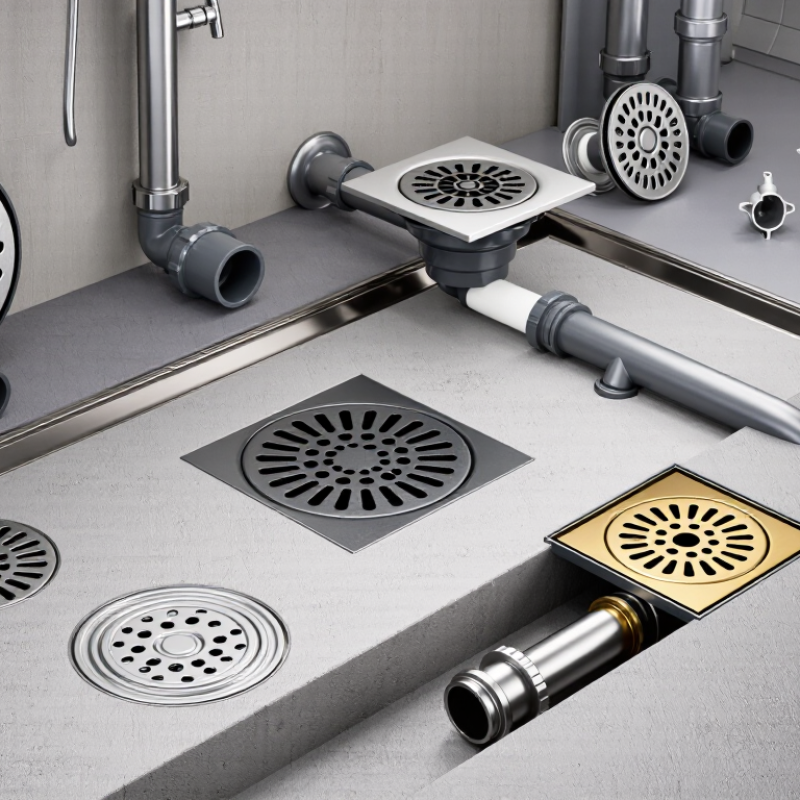
Basement floor drains are simple openings with a demanding job. They collect seepage, appliance discharge, and accidental spills before water damages walls or stored goods. A drain needs a properly shaped floor slope, a durable grate, and a trap that limits unpleasant odors. Without these details, even an expensive drain may perform poorly.
Common options include point drains, linear channel drains, and drains connected to a sump system. Point drains suit small areas where water gathers in one location. Linear Drains work well beside basement doors, laundry zones, or long walls. Sump-connected drains can manage recurring groundwater, but they depend on reliable pumping and backup planning. The best choice depends on soil conditions, floor height, rainfall, and local installation requirements.
Water management involves more than moving water away. The drain body must resist corrosion, and the grate should remain stable under foot traffic. Regular cleaning matters, especially when dust, hair, or construction debris enters the trap. Field inspections often find blocked outlets, not defective products. That is easy to overlook. I would also avoid assuming that one drain protects the entire basement. Floor grading, wall waterproofing, exterior drainage, and pump capacity must work together. Regional rules vary, so buyers should confirm trap, discharge, and access requirements with a qualified local installer.
| Drain Type | Basic Structure | Best Basement Application | Main Water-Management Role | Advantages | Limitations | Typical Material Options |
|---|---|---|---|---|---|---|
| Point Floor Drain | A small grated inlet connected to a horizontal or vertical drainage pipe. | Utility rooms, boiler rooms, laundry areas, and general basement floors. | Collects localized surface water and directs it to a sanitary drain, storm system, or sump basin where permitted. | Compact, widely available, easy to clean, and suitable for many concrete-floor layouts. | Requires accurate floor slope; one drain may not protect a large or irregular basement area. | Cast iron, stainless steel, galvanized steel, ABS, PVC, or polypropylene. |
| Low-Profile Floor Drain | A shallow-body drain designed for limited floor depth or retrofit installations. | Existing basements where deep excavation is difficult or where floor height must be minimized. | Provides localized drainage while reducing interference with existing slabs and services. | Useful for renovations, lighter construction work, and restricted installation depths. | Usually has less internal capacity and may be more sensitive to debris or insufficient slope. | PVC, ABS, polypropylene, stainless steel, and coated metal. |
| Trench or Channel Drain | A long, narrow channel with a removable grate and an outlet connection. | Basement entrances, garage-style access points, laundry zones, and areas exposed to flowing water. | Captures water across a broad line before it spreads into the basement. | Handles wider collection areas and creates an effective barrier near doors or ramps. | Requires careful alignment, continuous support, correct grate loading, and reliable waterproofing at joints. | Polymer concrete, stainless steel, galvanized steel, PVC, and polypropylene. |
| Linear Drain | A narrow, elongated drain with a continuous grate or discreet slot opening. | Finished basements, wet rooms, wash areas, and wall-edge drainage zones. | Collects water along a wall or boundary and supports a single-direction floor slope. | Clean appearance, simple floor grading, and broad collection along one edge. | Needs precise installation and regular cleaning of the narrow channel and outlet. | Stainless steel, polymer concrete, PVC, and polypropylene. |
| Sump Basin with Floor Inlet | A below-floor or interior basin that receives drainage and uses a pump to discharge water. | Basements with a high water table, recurring seepage, or no suitable gravity outlet. | Stores incoming water temporarily and lifts it to an approved discharge location. | Suitable for below-grade spaces and can include primary and battery-backed backup pumping. | Depends on electricity, pump maintenance, discharge controls, and backup protection during outages. | Structural plastic, polyethylene, fiberglass, cast iron, and concrete basin systems. |
| Floor Drain with Trap Primer | A floor drain incorporating a water trap supplied with a small automatic refill connection. | Dry basements, mechanical rooms, and spaces where the drain is rarely exposed to water. | Maintains the trap water seal to help limit sewer gases from entering the building. | Improves odor control in infrequently used drains and supports safer indoor air quality. | Requires compatible plumbing, correct adjustment, and maintenance of the primer supply. | Cast iron, stainless steel, PVC, ABS, brass, and polypropylene components. |
| Backwater-Protected Floor Drain | A floor-drain assembly or connected branch line fitted with a backwater protection device. | Basements connected to drainage systems vulnerable to sewer surcharge or stormwater backup. | Allows drainage outflow while helping reduce reverse flow into the basement. | Adds protection against certain backup events when correctly selected and maintained. | Not a substitute for a complete drainage design; valves can require access, cleaning, and inspection. | PVC, ABS, cast iron, stainless steel, and corrosion-resistant valve components. |
| Heavy-Duty Industrial Floor Drain | A reinforced drain body and grate designed for higher mechanical loads or demanding environments. | Basement workshops, plant rooms, service areas, and locations with wheeled equipment. | Collects water, wash-down flows, and incidental liquids while resisting impact and loading. | High durability, strong grate options, and better resistance to abrasion and chemical exposure when specified correctly. | Higher cost, greater weight, and potentially more demanding installation requirements. | Ductile iron, cast iron, stainless steel, polymer concrete, and epoxy-coated metals. |
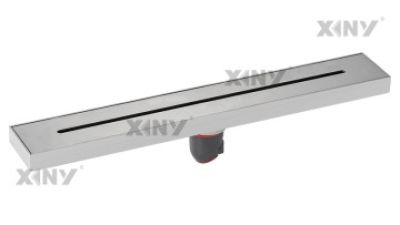
The XY005LRT stainless steel floor drain reflects the shift toward discreet, high-performance drainage in modern construction. Its ultra-narrow series design uses clean lines and a minimalist profile to create a visually continuous transition between the drain and surrounding floor materials. This makes it suitable for premium bathrooms, hotel facilities, wellness areas, kitchens, and other residential or commercial spaces where design consistency is important. Stainless steel also offers strong resistance to corrosion, moisture, and daily wear, supporting long-term use in demanding wet environments.
Its market potential is supported by broader urbanization and sanitation trends. The United Nations’ *World Urbanization Prospects* projects that approximately 68% of the global population will live in urban areas by 2050, increasing demand for efficient, space-conscious plumbing solutions in new buildings and renovation projects. Meanwhile, the WHO/UNICEF Joint Monitoring Programme reported that 3.5 billion people still lacked safely managed sanitation services in 2022, highlighting the continuing importance of reliable drainage infrastructure. Grand View Research’s industry outlook likewise points to renovation activity, commercial construction, hygiene awareness, and premium bathroom design as key factors shaping demand for advanced drainage products. With its narrow appearance, adaptable installation profile, and durable stainless-steel construction, the XY005LRT aligns with these evolving performance and aesthetic requirements.
Check local rainfall intensity, groundwater levels, and seasonal freezing conditions. A drain sized for mild rain may struggle during a short, intense storm. Not always obvious.
Clay soil drains slowly, so water pressure may remain against basement walls after rainfall. Sandy or gravelly soil drains faster but can carry sediment into the drain. Soil maps help, but onsite verification remains necessary.
Point drains suit smaller rooms with controlled floor slopes. Linear drains work well beside walls or in shower areas. Room shape matters more than appearance.
A typical slope is 1–2% toward the drain. Local requirements may differ, so installers should confirm the measurement onsite. A laser level helps prevent guesswork.
Support the drain body firmly and seal its connection to the waterproofing membrane. Confirm the trap, flange, and pipe joints before concrete covers them. Test it.
No. A drain alone may not control flooding when groundwater rises. A sump system, backwater valve, and alarm may be needed. Local professionals should verify discharge and pump safety requirements.
Confirm dimensions, thread standards, grate loading data, and installation instructions. Check replacement access, odor protection, and maintenance space. Finished-floor thickness is easy to overlook.
No. Oversizing can create poor balance and leave standing water around the grate. The drain must match rainfall, pipe capacity, slope, and discharge conditions. Bigger is not automatically safer.
Choose corrosion-resistant materials and a trap arrangement that reduces frost-related damage. Protect exposed connections and consider seasonal maintenance access. Cold conditions punish small oversights.
Fine sediment, trapped debris, odors, and blocked channels can reduce drainage performance. Use an easily cleaned channel and keep access available. I would not rely on appearance alone.
Choosing the right Basement Floor Drain is essential for protecting below-grade spaces from flooding, moisture damage, odors, and poor indoor air quality. This guide explains how floor drains support effective water management and compares common options, including gravity drains, trench-style systems, sump-connected drains, and backwater-protected designs. It also examines how materials, grate patterns, outlet sizes, trap configurations, and load ratings affect durability, flow performance, and suitability for residential, commercial, or utility basements.
Because drainage conditions vary worldwide, the guide highlights how climate, rainfall, groundwater levels, soil permeability, and freeze-thaw cycles influence drain selection and installation. It outlines key requirements such as proper slope, waterproofing integration, reliable connections, access for cleaning, and compliance with local building practices. Finally, it covers routine maintenance, odor and pest prevention, safety considerations, and inspection methods that help maintain dependable drainage performance over the long term.